
Trentino–Alto Adige is one line on a customs form and two separate wine conversations. Buy it as a single origin and you will misdescribe half of what you list.
The short version for a buyer: Trentino, the southern province, gives you Trentodoc sparkling wine and native grapes such as Nosiola and Teroldego. Alto Adige (Südtirol in German) is the northern province, with its own DOC framework and bilingual labels.
Winesal's catalogue covers Trentino only. Eight certified-organic wines from one grower, Eredi di Cobelli Aldo, in Sorni. The Alto Adige material in this guide is there so your team can read a label correctly. It is not an offer, and we will not pretend otherwise.
One region, two provinces: what changes on the label
The two provinces are autonomous, and their wine systems developed separately. That is not trivia: it decides which words are legally on your bottle and which words your salesperson is allowed to say.
Before you discuss style, settle two things:
- Which province grew the grapes. A Schiava from Trentino is not an Alto Adige Schiava, and no amount of similarity makes it one.
- Which exact designation is printed on the approved label. Not the region, not the marketing name: the designation.
The three designations you will see on a Trentino bottle
- Trentino DOC: the province's still-wine denomination, often with the grape name attached (Trentino Gewürztraminer) or a subzone such as Sorni.
- Trento DOC, marketed collectively as Trentodoc: bottle-fermented sparkling wine only, under its own rules.
- Vigneti delle Dolomiti IGT: a wider Alpine geographical indication. It is not a shorthand for either DOC, and mixing the two up is the easiest way to get your product data wrong.
All three appear in the Cobelli range. Your product sheets need to reflect that difference, because your customs paperwork and your shelf talkers both depend on it.
Trentodoc: what the rules guarantee, and what they don't
Trentodoc is a method and an origin, not a house style. The Istituto Trento Doc sets out four permitted grapes (Chardonnay, Pinot Nero, Pinot Bianco and Meunier) grown in Trentino, with secondary fermentation in the bottle.
The minimum lees ageing is fixed by category:
- Non-vintage: at least 15 months
- Millesimato (vintage): at least 24 months
- Riserva: at least 36 months
Those are floors, not descriptions. The rules say nothing about the blend in the glass, the dosage, the disgorgement date or the actual time the wine you are being offered spent on its lees. Ask the producer for all four in writing, per lot.
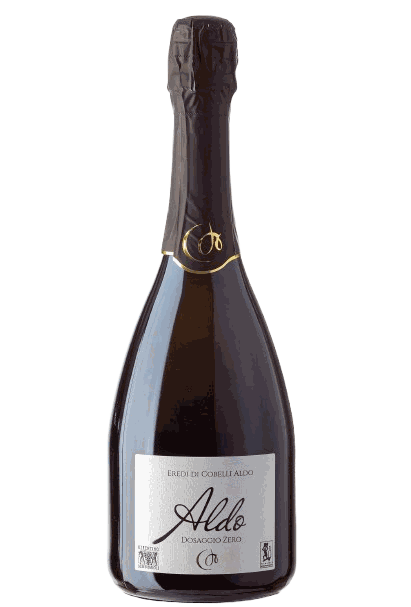
Note the number in that caption. Around 50 months is well past the 36-month Riserva floor. That is a real argument to make to a sommelier, and a real reason to plan the stock cycle early, because wine held that long is not replenished on demand.
The producer: Eredi di Cobelli Aldo, Sorni

Eight wines, all certified organic, all from the gypsum- and limestone-influenced hillsides around Sorni, plus restored terraces in Val di Cembra for the Riesling. Gypsum (gesso in Italian) is the soil signature here, and it is where the Gewürztraminer gets its name, Gèss.
Volumes are small. The 2020 Ert Pinot Noir was 1,440 bottles; the 2022 Revèrs Riesling, 800. Plan allocations accordingly and do not build a national listing on a wine that exists in four figures.
The range as the catalogue records it:
- Nosiol: Nosiola, Vigneti delle Dolomiti IGT. Steel-fermented, citrus and almond, 11.5%.
- Gèss: Gewürztraminer, Trentino DOC. Aromatic, textured, rested on lees in steel, 12.5%.
- Arlevo: Chardonnay, Vigneti delle Dolomiti IGT. Around ten months in used oak, then steel.
- Revèrs: Riesling, Vigneti delle Dolomiti IGT. Val di Cembra terraces at 700 m on volcanic porphyry.
- Aldo Metodo Classico: Trento DOC, pas dosé, ~50 months on the lees, 12.5%.
- Schiava: Vigneti delle Dolomiti IGT. Pale, low-tannin, serve slightly chilled, 12%.
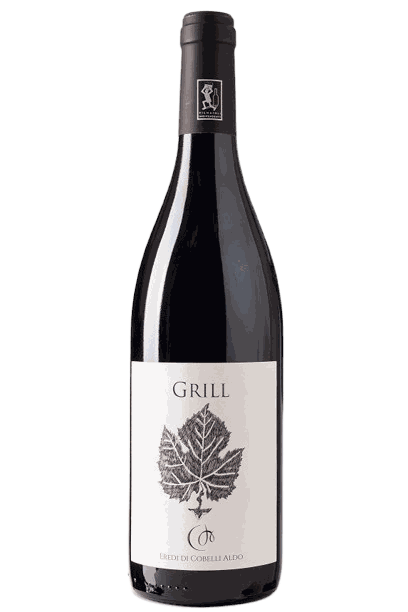
- Girll: Teroldego from Sorni, bottled as Trentino Sorni Rosso. Barrique and 10 hL wood, 14%.
- Ert: Pinot Noir, Vigneti delle Dolomiti IGT. Old pergola vines at 300 m, ~15 months in barrique, 13.5%.
Alcohol and analysis shift by vintage. Treat the figures above as catalogue reference and confirm against the current technical sheet before anything is printed.
A four-bottle opening order
Eight wines from one grower is not a range: it is a menu you still have to edit. Each bottle should answer a different question on your list.
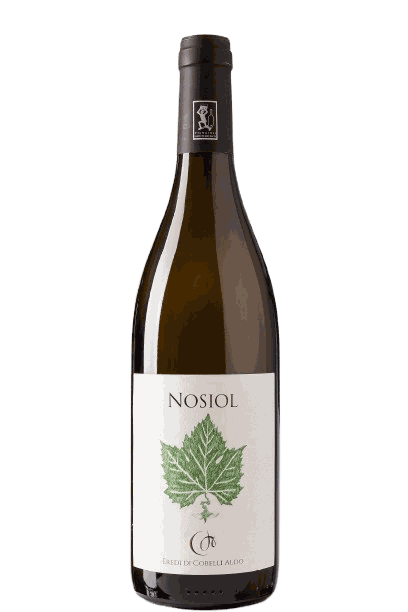
- The native white: Nosiol. Nosiola is the reason a buyer looks at Trentino rather than at another cool-climate white. It earns its place by being unfamiliar and easy to drink at the same time.
- The aromatic white: Gèss. Gewürztraminer sells itself by the glass and gives your staff an obvious food hook. Get the residual sugar figure before you position it.
- The sparkling anchor: Aldo Metodo Classico. A Trento DOC gives you a bottle-fermented listing with a defensible story that is not Champagne and not Prosecco.
- The red contrast: Girll for structure, or Schiava if the account wants a light red served cool.
Leave the Chardonnay out of the first order: it competes with wines your list almost certainly already has. Hold the Riesling for a second wave: at 800 bottles it is an allocation wine, not a launch wine.
Which account is this range for?
The same four bottles need three different pitches.
- Restaurant groups: lead with list role and training burden. Nosiola and Schiava are easy pours that give a server something to say; the Trento DOC covers the by-the-glass aperitif slot without a Champagne price argument.
- Specialist retail: lead with the producer and the organic certification. Small-lot Pinot Noir and an alpine Riesling are shelf-talker wines for a customer who reads the back label.
- Distributors: lead with continuity. Ask about vintage transitions before you commit, because the small volumes are the constraint, not the demand.
What to ask for before you list any of them
One file per wine, per vintage, per lot:
- Approved front and back label artwork, with the exact denomination as printed
- Grape composition, vintage, lot number and volume available
- Alcohol, residual sugar and total acidity
- Organic certification evidence, since every wine in this range carries it
- For the Trento DOC: blend, tirage, actual lees time, disgorgement date and dosage
- Closure, case format and pallet configuration
- Realistic replenishment timing and the vintage transition plan
Winesal handles customs documentation and international compliance, and holds stock for shipment within 72 hours at most. That speeds up the process; it does not replace your own regulatory review in the destination market.
Three mistakes that cost money
- Selling altitude as quality. Elevation interacts with exposure, slope, soil and farming. Two vineyards at the same height behave differently. Quote the elevation of the actual vineyard, from the actual technical sheet, or say nothing.
- Treating Vigneti delle Dolomiti IGT as a DOC. Five of these eight wines carry the IGT. Describe them accurately and they still sell; describe them wrongly and you have a labelling problem.
- Promising one "Alpine" taste. A pas dosé Trento DOC, a Gewürztraminer and a chilled Schiava have almost nothing in common except a postcode.
If your customer asks about Alto Adige
We do not represent an Alto Adige producer, so this is background rather than a pitch. The province has two protected origins: Alto Adige DOC (Südtirol DOC) and Lago di Caldaro DOC (Kalterersee DOC). Under Alto Adige DOC sit named zones including Valle Isarco/Eisacktal, Santa Maddalena/St. Magdalener, Terlano/Terlaner, Meranese/Meraner, Valle Venosta/Vinschgau and Colli di Bolzano/Bozner Leiten.
The bilingual pairs trip up sales teams more than anything else. Teach these as the same wine, not two:
- Alto Adige = Südtirol
- Schiava = Vernatsch
- Pinot Nero = Blauburgunder
- Pinot Bianco = Weissburgunder
- Lago di Caldaro = Kalterersee
Your next step
If the Trentino selection fits a gap on your list, ask us for the current buyer pack: approved labels, technical sheets, available vintages and a four-wine sample sequence with a stated role for each bottle. If you would rather talk it through first, book a call and we will go through the range and your channel together.
Winesal works only with family-run producers, and only under exclusive contracts, which makes us the single point of reference abroad for the wines we carry.
Sources
- Istituto Trento Doc, "Trentodoc" and "Grapes and Varieties": trentodoc.com/en/trentodoc
- Consorzio Alto Adige Wines, "Origin & DOC": altoadigewines.com/en/our-wine/origin-doc
- Wine details from the Winesal catalogue, as recorded for Eredi di Cobelli Aldo.