
Valtènesi is not a region, a lake or a style. It is a named subzone inside the Riviera del Garda Classico DOC on the Brescia side of Lake Garda, and only two wines may carry the name: a red and a Chiaretto rosé.
Almost everything a buyer needs in order to price, list and defend the category follows from that one sentence. This guide covers the rules that show up on your invoice and your shelf talker — blend minimums, release dates, what may and may not be printed on the label — and exactly what Winesal can supply against them today.
The rules that decide what you are buying
The Valtènesi subzone is governed by Allegato 1 of the Riviera del Garda Classico production specification. It permits two types and no others:
- Valtènesi red — minimum 30% Groppello, in the Gentile, Mocasina and S. Stefano biotypes.
- Valtènesi Chiaretto — the same 30% Groppello minimum, vinified with brief maceration on the skins.
The rest of the blend is not open. Marzemino, Barbera and Sangiovese may contribute up to 70% between them, none of them more than 25% on its own. Other authorised black grapes may fill up to 25%, and inside that ceiling Cabernet Sauvignon, Cabernet Franc, Carmenère and Merlot together may not exceed 10%.
Both types must reach 12% total alcohol and 4.5 g/l total acidity at release. Maximum yield is 11 tonnes per hectare. Bottles must be glass and no larger than nine litres; crown caps and tear-off caps are not permitted.
The subzone covers fifteen whole communes on the Brescia shore — Salò, Gardone Riviera, Roè Volciano, Villanuova sul Clisi, Gavardo, San Felice del Benaco, Puegnago del Garda, Muscoline, Manerba del Garda, Polpenazze del Garda, Moniga del Garda, Soiano del Lago, Calvagese della Riviera, Padenghe sul Garda and Bedizzole — plus mapped parts of Lonato del Garda, Desenzano del Garda, Pozzolengo and Sirmione.
What the label is allowed to say
Four rules in the specification explain labels that otherwise look like errors:
- The vintage is compulsory on every Valtènesi wine.
- "Valtènesi" must come immediately before "Riviera del Garda Classico" and be printed at least twice the size.
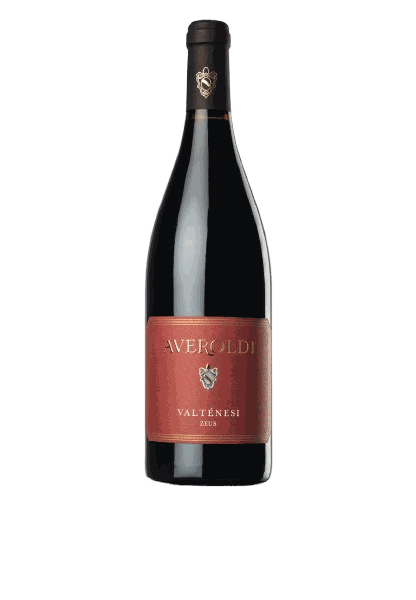
- The word rosso may not appear on the red at all — so the red reads simply "Valtènesi".
- On the rosé, the word "Chiaretto" is optional.
Ten additional geographical indications may also appear, naming a commune or hamlet inside the subzone: Padenghe, Moniga, Manerba, Mocasina, Portese, Polpenazze, Picedo, Puegnago, Raffa and S. Felice. If one of these is on a bottle you are offered, it is a regulated origin claim rather than decoration, and it is worth asking what it means for that parcel. Mocasina appears twice in the rules, once as a place and once as a Groppello biotype.
The release calendar decides your spring
Valtènesi is one of the appellations where the release date is a listing constraint, not a footnote.
- Chiaretto may not be released for consumption before 14 February following the harvest. It can move between packaging plants for commercialisation from 1 February, but no earlier.
- Red may not be released before 1 September following the harvest.
- Riserva requires a minimum two years' ageing, counted from 1 November of the harvest year.
In practice: a March or April by-the-glass launch on the current vintage works. A January promotion does not. Plan samples and staff training around February rather than around the trade-fair calendar.
Groppello: why the grape earns the listing
Groppello takes its name from the compact, knotted shape of its bunch — groppo is "knot" in local dialect. The Consorzio Valtènesi describes it as the most typical grape of the Brescia shore of Lake Garda, with Groppello Gentile the most widespread biotype.
It appears at two different intensities, and confusing them is the fastest way to lose a sommelier's confidence:
- Valtènesi red and Chiaretto — Groppello at a minimum of 30%.
- Riviera del Garda Classico Groppello — a separate type requiring at least 85% Groppello, with a minimum 11.5% alcohol at release.
Which means "this is 100% a native Lake Garda grape" is wrong for a Valtènesi wine unless the producer's technical sheet says so for that specific bottling. Ask; never assume.
Chiaretto is a method, not a colour
The specification does not define Chiaretto by hue. It requires the wine to be vinified with brief skin maceration. The permitted colour runs from pale pink to deep pink, with coppery tints allowed as the wine ages — a wider band than most buyers expect from an Italian rosé.
The heritage line is real, and it should stay attributed. The Consorzio Valtènesi credits Pompeo Molmenti, a Venetian senator and former mayor of Moniga del Garda, with setting down rules for a local rosé in 1896, and traces the "wine of one night" nickname to the few hours the juice spent on the skins.
That nickname is a teaching device, not a specification. Before listing a Chiaretto, ask the producer for:
- the exact blend and the Groppello percentage;
- skin-contact time in hours, and whether the wine was direct-pressed or macerated;
- residual sugar, total acidity and finished alcohol;
- fermentation vessel and time on lees;
- bottling date and the vintage shipping now.
What Winesal can supply today
One producer in the Winesal catalogue works this appellation: Averoldi, in Lombardy, with twelve wines listed. Three of them carry the designations described above.
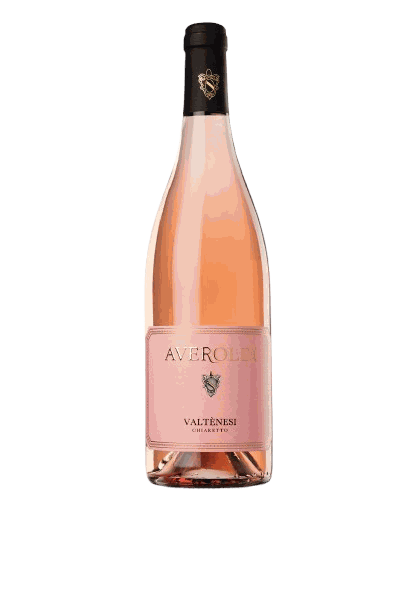
- Chiaretto — Valtènesi DOC, rosé, 13.0%. The by-the-glass and aperitivo bottle.
- Zeus — Valtènesi DOC, red, 13.0%. The catalogue records Groppello as the backbone, with Sangiovese, Marzemino and Rebo.
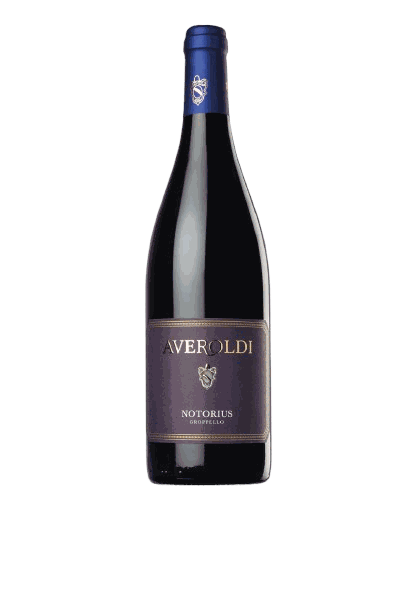
- Notorius — Riviera del Garda Classico Groppello DOC, red, 13.0%. The native-grape bottle a floor team can teach from.

The same estate offers neighbouring Lake Garda designations that add range depth but are not Valtènesi and must never be sold as such: Graziolo (Riviera del Garda Classico Spumante Rosé DOC, a Charmat-method sparkling Chiaretto), Rovadus (Garda Marzemino DOC), Cantera (Garda Chardonnay), Jacobus (Garda Pinot Bianco DOC), and the Benaco Bresciano IGT reds Grippo and Sedescoi.
Interviewed for the Winesal newsletter, Filippo Averoldi described the estate's approach as "very low yields, short and precise pruning", with hand-picking, strict sorting and leaf removal tailored to each parcel's exposure. That is one estate's practice, not a rule of the appellation — and it is the difference a technical sheet should show.
A three-bottle range that does three jobs
You do not need ten labels to open the category. Give each bottle a job:
- Discovery rosé — Valtènesi Chiaretto, by the glass, from March onwards.
- Native-grape red — Riviera del Garda Classico Groppello, for the staff recommendation and the light-to-medium red slot.
- Structured red — Valtènesi red, for dinner lists and hand-sell retail.
Then give the floor three anchors and stop: place (western shore of Lake Garda, Brescia side), grape (Groppello), range (Chiaretto and red). Anything longer will not survive a busy service.
Five claims to strike from your sell sheet
- "Italy's Provence." It borrows another region's identity and throws away half the appellation. Lead with Lake Garda.
- "100% Groppello." True only if the technical sheet says so. The Valtènesi minimum is 30%.
- "All Lake Garda rosé is Valtènesi." Garda DOC, Riviera del Garda Classico and Benaco Bresciano IGT are separate designations with separate rules.
- One estate's vineyard practice presented as a regional rule. Attribute it to the estate.
- A tasting note with no vintage. The vintage is compulsory on the bottle. Make it compulsory in your copy too.
Before you list it
Ask for one pack containing:
- front and back label artwork for the exact vintage shipping now;
- the full legal designation as it will appear in your market;
- blend, alcohol, total acidity and residual sugar per SKU;
- case and pallet configuration, and closure type;
- current stock and realistic replenishment timing;
- ex-cellar price and Incoterm;
- producer photography you are permitted to reuse;
- any territory restrictions or existing distribution in your market.
Winesal's job is to make that pack easy to evaluate. Labelling, duty and alcohol-distribution approval in the destination market remain yours and your licensed local partners', and those rules change.
Your next step
Request the Winesal catalogue for the current Averoldi listings and vintages, ask for a sample set built around the three roles above, or book a call to work out which of them fills the gap in your list.
Sources
- Production specification for the Riviera del Garda Classico DOC, including Allegato 1 on the Valtènesi subzone: consorziovaltenesi.it
- Consorzio Valtènesi, "Groppello": consorziovaltenesi.it/groppello
- Consorzio Valtènesi, "Molmenti": consorziovaltenesi.it/molmenti
- Andrea Salvadori's interview with Filippo Averoldi, Wines of Italy — Hidden Gems: wines-of-italy-hidden-gems.beehiiv.com