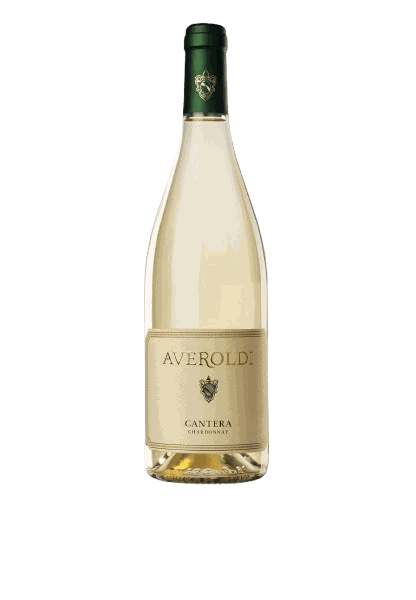
Averoldi is a family wine estate in Cantrina, a small hamlet of Bedizzole in the Valtènesi area near Lake Garda. The family says no one remembers which ancestor first made wine, but its present identity is concrete: Francesco and Filippo Averoldi work from the historic Cantrina property and keep the origin of each parcel visible through separate harvesting and vinification.[1][2]
For a trade buyer, that is a stronger opening than an invented founding year. The absence of a neat date becomes a reason to focus on what can be verified now: place, family, cellar, range and method.
A story without a manufactured founder
The official Averoldi site states that no one in the family remembers which ancestor began producing wine. It says generations of Averoldi growers and winemakers have worked in the picturesque Cantrina hamlet.[1]
This is unusually honest producer language. Many estate profiles turn an uncertain beginning into a precise year or named founder. Averoldi does not need to. Its continuity can be described without pretending that the archive contains more than it does.
A responsible sales pitch can say:
- the Averoldi family has made wine in Cantrina for generations;
- the identity of the first family winemaker is not recorded in current public material;
- Francesco and Filippo represent the estate today;
- the cellar and vineyards sit within the Valtènesi area of Bedizzole.[1][2]
This approach gives staff confidence. If a customer asks for the founding year, the answer is not a guess. It is that the family’s wine history predates living memory, while the current commercial facts come from present documentation.
Cantrina is more than an address
Cantrina is a hamlet within Bedizzole on the inland, south-western side of Lake Garda. The producer describes moraine deposits near the Chiese River and situates the estate within Valtènesi’s broader Garda landscape.[1]
For an importer, the place name helps narrow a large and sometimes confusing regional proposition. “Lake Garda wine” can cover several provinces, denominations and styles. Cantrina gives the story a human scale.
Training should proceed from broad to specific:
- Lake Garda as the international reference;
- the Brescia side and Valtènesi;
- Bedizzole;
- the Cantrina hamlet;
- Averoldi’s parcels and wines.
The seller does not need to recite every layer at the table. The hierarchy exists so that follow-up questions can receive precise answers.
The cellar gives continuity a physical form
Averoldi presents its wine maturing within thick stone walls and vaulted cellar spaces at the Cantrina property.[1] These architectural details are useful because they make family continuity visible without requiring an exact construction date.
The buyer should request approved photographs and captions. “Historic vaulted cellar at Cantrina” is safer than attaching an unsupported century to every room. If the producer can provide restoration records or a dated building history, those details can be added later.
Cellar imagery should also lead to current technical information. Old walls do not tell the buyer which vessel a wine uses, how long it matures or when it is released. Those facts belong in vintage-specific sheets.
The best presentation pairs the atmospheric image with a practical panel:
- wine and vintage;
- parcel or fruit source;
- fermentation vessel;
- maturation;
- bottling and release;
- current designation.
The contrast between old setting and current data gives the story credibility.
Parcel-by-parcel work is the operating principle
Published regional coverage says Averoldi harvests and vinifies parcels separately.[2] For a buyer, that is more valuable than a broad claim about handcrafted wine because it suggests traceable decisions before blending or bottling.
The importer should ask how the parcel system reaches the range:
- Are parcels bottled separately or combined after evaluation?
- Which varieties are planted in each site?
- Do harvest dates and yields differ materially?
- Which wine best shows the purpose of separate vinification?
- Can the producer supply a parcel map?
These questions can turn a production practice into a training tool. A simple map showing parcel, grape and destination wine would help sales teams explain why the range contains several labels.
Do not assume separate vinification guarantees higher quality. Its value is that it preserves options and information. The wine must still justify the choice in the glass.
Groppello and the Valtènesi red identity
Valtènesi is closely associated with Groppello and Garda red and rosé traditions. The current Averoldi range should be checked against the live Winesal catalogue and producer export list for exact designations, blends and vintages.[3]
For many international buyers, Groppello requires a short introduction. The training language should stay practical:
- pronounce the grape correctly;
- identify its role in the exact wine;
- state the designation shown on the label;
- explain the wine’s style only after tasting;
- give one or two account-appropriate food contexts.
This avoids presenting the grape as a curiosity. A sommelier can sell an unfamiliar variety when its origin, wine style and menu role are clear.
Averoldi’s range can also show that Valtènesi is not limited to one colour. Current catalogue records include whites and reds alongside the regional core.[3] That breadth may help the estate work across several list positions.
Cantera and Zeus need wine-specific evidence
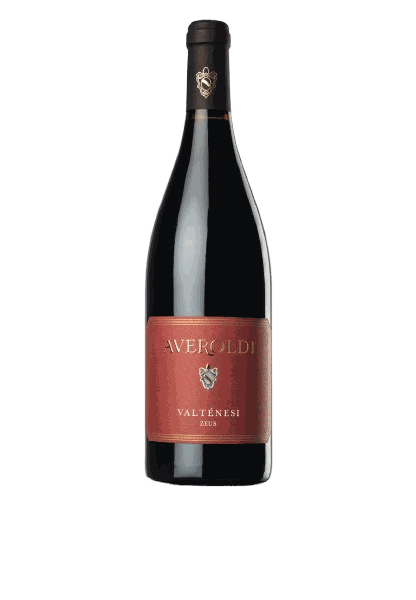
The Winesal catalogue has included Averoldi labels such as Cantera and Zeus.[3] Names alone do not explain the wines. Before using them in copy, the importer should match each to the current label, designation, grapes and technical sheet.
This is especially important where a proprietary name may survive while blend, vintage or legal designation changes. Database records should not be treated as permanent product truth.
A good range sheet gives each wine a one-line function:
Wine: Core white
Function to confirm: Fresh regional introduction or food-led by-the-glass role
Wine: Valtènesi rosé
Function to confirm: Regional colour and Groppello-led story
Wine: Valtènesi red
Function to confirm: Main local-red proposition
Wine: Reserve or selection red
Function to confirm: Longer development and selective placement
The actual labels may map differently. The point is to organise the offer by buyer need rather than poetic name.
The commercial strength of an incomplete origin story
The missing first-winemaker date can become a lesson in trust. Averoldi openly says the family does not know which ancestor began.[1] That makes current claims easier to believe because the producer has not filled an archival gap with mythology.
Trade teams can use this to set a tone:
“Averoldi has made wine in Cantrina for generations, although the family no longer knows who began. Today Francesco and Filippo work from the family cellar and keep parcels separate through harvest and vinification.”[1][2]
That statement contains memory, place, people and method. It also leaves the buyer with several useful questions for the tasting.
There is no need to claim the estate is the oldest, the first or the reference producer of the area. Those superlatives would require comparative evidence and add little.
Building an account-ready sample sequence
Begin with the most direct white in the current offer, then a Valtènesi rosé, a Groppello-led red and the more structured red selection. If the range differs, preserve the principle: move from broad introduction to the wine that most specifically expresses the estate’s parcel or maturation choices.
For every sample, capture:
- exact label spelling;
- designation and vintage;
- grape composition;
- parcel source;
- fermentation and maturation;
- analysis and allergens;
- target account;
- current quantities and next release.
Ask the producer for an approved Cantrina map and cellar photographs. Those assets can make a small winery easier to remember across distributor training and restaurant staff sessions.
After tasting, remove any wine that duplicates another without a clear commercial benefit. A focused selection will communicate the family and place better than a large, loosely explained list.
What buyers should verify
Before final placement, obtain:
- the present export catalogue;
- current technical sheets and analyses;
- confirmation of who manages viticulture, cellar and commercial communication;
- approved wording for the family history;
- the parcel map or a written parcel overview;
- image rights and credits;
- label and carton files for market review.
Do not add a century to the cellar, a founding date to the family story or a fixed number of wines unless the producer confirms it. These details are easy to verify directly and unnecessary to the central case.
A precise way into Valtènesi
Averoldi gives buyers a local address, an honest family account and a parcel-led method.[1][2] Its story begins not with a heroic founder but with a fact the family is willing to leave unresolved.
That restraint is commercially useful. It allows the importer to concentrate on the current wines and the roles they can play: regional white, Valtènesi rosé, Groppello-led red or a more developed selection. If the samples and documents support a coherent sequence, Cantrina becomes an identifiable point on the buyer’s Garda map.
Request the current Averoldi catalogue and trade sample sequence through /catalog.
Sources
- Averoldi official site, “Wine Growers in the Valtènesi Area,” https://www.averoldifrancesco.it/en/ (Checked 2026-07-27).
- Strada dei Vini e dei Sapori del Garda, “Averoldi,” https://stradadeivini.it/averoldi/ (Checked 2026-07-27).
- Winesal, “Catalogue,” https://winesal.com/catalog (Checked 2026-07-27).