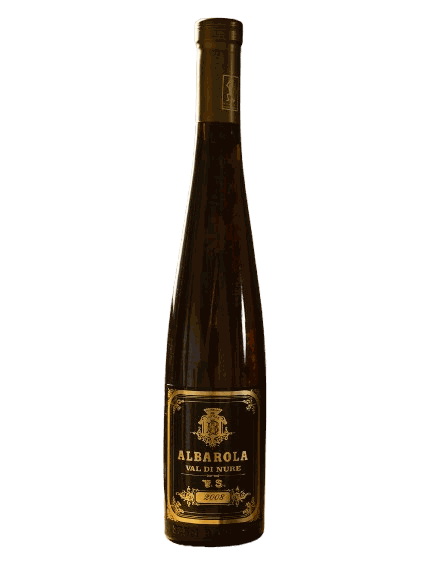
Barattieri makes Colli Piacentini Vin Santo with a madre, or mother culture, constituted in 1823. The producer dries grapes until the Christmas period, presses them manually, then transfers the wine to small historic caratelli where fermentation and long maturation continue with that culture.[1] For a trade buyer, the remarkable date is meaningful only when the process is explained.
This is not a story about a dry yeast packet surviving two centuries. It is a maintained fermentative inheritance within a working cellar. The commercial opportunity lies in connecting that living continuity to the wine’s slow production, service role and allocation.
Start with the meaning of madre
The Italian word madre means mother. In the Barattieri cellar, it refers to the established culture that helps initiate and sustain Vin Santo fermentation in the caratelli. The producer states that its madre was constituted in 1823 and has gained structure and character over time.[1]
A sales team should not describe it as a single unchanged organism. Microbial populations evolve, and the exact biological composition would require laboratory evidence. The verified claim is the cellar practice and date given by the producer: the mother culture has been maintained as part of the Vin Santo method since 1823.
This distinction strengthens the story. It turns a potentially mystical claim into a comprehensible craft:
- a culture is maintained;
- new wine enters the historic system;
- fermentation unfolds slowly in small casks;
- each release belongs to a process larger than one vintage.
Buyers can explain that sequence without making scientific promises the estate has not published.
Grapes wait until Christmas
Barattieri’s official Vin Santo page says the grapes dry on racks and are pressed around Christmas using a manual press. After a passage through stainless steel, the wine enters caratelli, some dating to the nineteenth century.[1]
Drying changes the starting material by concentrating it before fermentation. For trade purposes, the important details are practical: grape composition, harvest date, drying conditions, pressing point, must analysis and final yield. Those should be requested for the current release.
The Christmas timing is memorable, but it should not become seasonal theatre. It marks a production stage, not a rule that the wine belongs only on December menus.
A buyer can use the timeline to train staff:
- harvest the grapes intended for Vin Santo;
- dry them on racks;
- press around Christmas;
- move the wine into the cellar’s caratelli;
- allow fermentation and maturation to proceed with the madre;
- bottle and release after a long development period.[1]
The sequence makes the price and scarcity easier to understand because it shows the time and loss involved before a bottle can be offered.
Historic caratelli are working vessels
The producer notes that some of its caratelli date to the nineteenth century.[1] Small old casks carry visual power, but the importer should describe them as equipment, not museum pieces.
Ask how the casks are maintained, how much headspace is typical, whether they are sealed, where they rest and how the producer decides when the wine is ready. These answers turn an atmospheric cellar photograph into technical education.
Historic vessels also require careful image captions. “Nineteenth-century caratelli used for Barattieri Vin Santo” is supportable if the photographed casks are the ones described by the producer. “The original 1823 barrels” is not supported and should not appear.
This level of precision matters in premium storytelling. Customers who ask about a 200-year date are likely to ask a second question. The sales team should have an answer grounded in method.
Ten years changes the commercial model
Published accounts of the Barattieri Vin Santo describe approximately ten years in caratelli.[1][2] The offered vintage should be matched to a current technical sheet, because release timing can vary.
A decade in cellar affects more than flavour. It ties up wine, space and capital. It creates gaps between decisions made at harvest and the market that eventually receives the bottle. It also makes a vintage replacement cycle fundamentally different from that of a young still wine.
Importers should therefore ask:
- Which vintage is being offered now?
- When was it harvested, pressed, casked and bottled?
- Is the next vintage already scheduled?
- How much is available to the market?
- What bottle sizes and case formats exist?
- How should opened bottles be stored and served?
The answers determine whether Vin Santo belongs in broad distribution, controlled restaurant allocation or specialist retail. A long process does not automatically require a high price, but it does require a margin and stock plan that respect the production model.
The wine needs more than a dessert label
Vin Santo is often placed reflexively beside desserts. That can work, but Barattieri’s wine deserves a broader buyer discussion after tasting. Mature sweet wines may support cheese, pastry, contemplative service, pairing flights or small-pour programmes.
The final placement depends on analysis and sensory evidence. Ask for residual sugar, alcohol, acidity, bottle size and recommended serving temperature. Then test how the wine behaves across several days after opening under normal restaurant conditions.
A profitable by-the-glass placement needs:
- a controlled pour size;
- reliable preservation practice;
- staff language that justifies the selection;
- a menu context;
- enough turnover to protect quality.
The 1823 madre is an excellent opening line, but service execution creates the repeat order.
A dated masterclass gives the story public context
At the 2024 FIVI market, a masterclass presented five vintages of Barattieri Vin Santo di Albarola under a theme marking 200 years of the madre. The published event account links the 1823 culture, long ageing and comparative tasting of releases.[2]
This is useful evidence because it shows the wine being discussed through vintages rather than only through a founding claim. It also suggests a trade format the importer can adapt: a vertical tasting that follows the evolving expression of one cellar practice.
Any event copy should remain precise. State the date, organiser and wines actually shown. Do not convert a masterclass appearance into an award. Recognition through programming and a scored competition are different things.
For buyers unable to access several vintages, a process seminar can still work with one current bottle, approved images and a documented timeline. The educational value comes from the method.
The dry range completes the estate
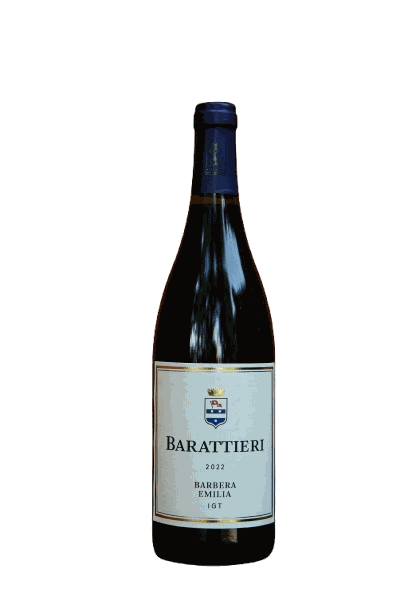
Barattieri is not only a Vin Santo producer. Its Colli Piacentini context includes dry and sparkling regional wines, including Gutturnio in the broader estate offer.[3] The exact current export range should be confirmed before publication or sales use.
This matters commercially. Vin Santo may be the story wine, but a dry red or regional sparkling wine may create more frequent restaurant placements. The importer should decide whether the estate enters the portfolio through the icon, the everyday range or a combination.
A sensible trade flight might include:
- one regional white or sparkling wine;
- one Gutturnio or core red;
- one more structured dry wine if distinct;
- Vin Santo as the closing bottle.
The sequence shows that the mother culture belongs to a functioning wine estate, not an isolated historical product.
How to sell the date without overselling it
The most accurate short pitch is:
“Barattieri’s Vin Santo is made with a cellar mother culture constituted in 1823. Grapes dry until around Christmas, are manually pressed, then ferment and mature for years in small caratelli, some from the nineteenth century.”[1]
That sentence gives the buyer four facts to explore. It avoids claiming that the wine itself is 200 years old, that the casks date to 1823, or that the microbial population has never changed.
The distinction is essential. Heritage wine marketing often collapses culture, vessel, building and liquid into one dramatic age. Barattieri’s real method is more interesting because it shows continuity as repeated work.
Buyer due diligence
Before placing the Vin Santo, request:
- the current vintage technical sheet;
- grape composition and drying details;
- dates for harvest, pressing, cask entry, bottling and release;
- analytical data;
- case and bottle formats;
- opened-bottle service guidance;
- confirmed quantities and next-release timing;
- approved images of the racks, press, madre cellar and caratelli.
For the broader estate, ask for the complete export range and identify one or two dry wines that make commercial sense beside the Vin Santo. The goal is a producer relationship, not merely a historic anecdote.
A living inheritance for the trade
Barattieri’s 1823 madre is powerful because it links a date to an active process. Grapes are still dried, pressed and entrusted to a culture maintained through generations of cellar work.[1][2] The result asks buyers to think in years rather than campaign cycles.
If the current wine, documentation and allocation fit the market, the story can support premium restaurant service and specialist retail. The importer’s responsibility is to keep the language exact and make the service as careful as the production.
Request the current Barattieri catalogue, Vin Santo technical sheet and trade samples through /catalog.
Sources
- Azienda Barattieri official site, “Colli Piacentini Vin Santo,” https://www.aziendabarattieri.com/vini/vin-santo (Checked 2026-07-27).
- Vini e Percorsi Piemontesi, “Vinsanto di Barattieri a FIVI,” https://www.viniepercorsipiemontesi.com/vinsanto-di-barattieri-a-fivi-una-masterclass-con-5-annate-di-vinsanto-di-albarola-a-confronto/ (Checked 2026-07-27).
- Azienda Barattieri official site, https://www.aziendabarattieri.com/ (Checked 2026-07-27).