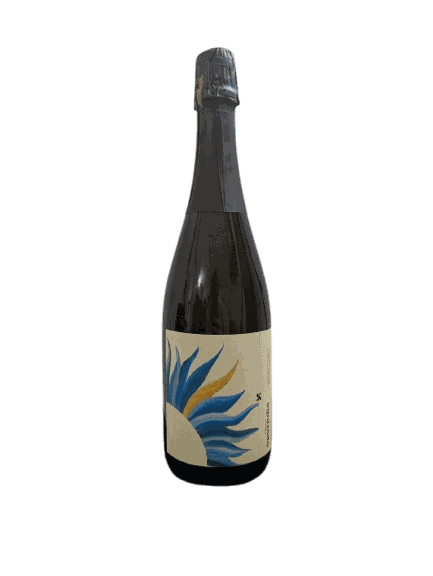
Cantina Eporedia was founded in Ivrea in 2022 by two young local winegrowers identified publicly as Marco and Stefano. Its vineyards span Masino, Piverone and Carema, and its range includes still and traditional-method Erbaluce, Canavese reds and mountain Nebbiolo from Carema.[1][2] For a buyer, this is a new producer with a geographically mature range.
“Eporedia” is the Roman name associated with Ivrea. The brand uses that historical reference to link a recent enterprise to the Canavese landscape. Public sources reviewed here do not verify the founders’ surnames consistently, so first names are used until the producer approves full biographies.
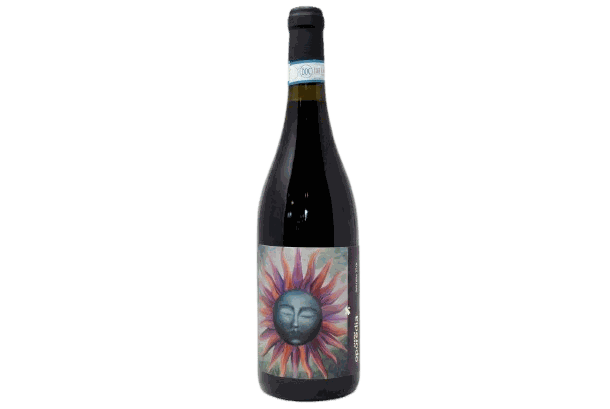
A 2022 founding date without an invented backstory
The producer’s official site states that Cantina Eporedia was born in Ivrea in 2022 from a passion for wine and the territory. Its contact page identifies Marco and Stefano as the two named contacts.[1][2]
That is enough to answer the basic trade query. The winery is young, and it should be presented as young. There is no need to manufacture generations of family continuity around it.
The concise introduction is:
- founded in Ivrea in 2022;
- led by Marco and Stefano;
- vineyards across several Canavese sites;
- wines from Erbaluce, Nebbiolo and Barbera-based material.[1][2]
A young estate may change quickly. Current role descriptions, vineyard contracts and label details should be refreshed before every campaign.
Three sites create the range
Cantina Eporedia names Piverone, Masino and Carema among its vineyard locations. The official site describes sandy-loam morainic soils for parts of the Canavese work and identifies Carema with terraced mountain viticulture.[1]
These locations are not interchangeable. The buyer should request a map linking each wine to its source:
Site: Piverone
Grape or wine to confirm: Erbaluce
Key buyer question: Still, sparkling or both?
Site: Masino
Grape or wine to confirm: Erbaluce or red wine
Key buyer question: Which parcels and designations?
Site: Carema
Grape or wine to confirm: Nebbiolo or Picotendro
Key buyer question: How are terraces managed and fruit transported?
The completed map can become the central training asset. It explains why a very young company can make wines with very different geographic identities.
Erbaluce provides the white-wine core
The official Eporedia range includes still Erbaluce and an Erbaluce traditional-method sparkling wine.[1] Current Winesal records should confirm the exact designations and vintages represented.[3]
Still Erbaluce can introduce the variety directly. The sparkling version shows how the producer uses acidity and bottle fermentation, but its current lees time, dosage, vintage and disgorgement must come from a technical sheet.
The workbook gives 36 months on the lees as a fixed fact. That duration was not confirmed on the current official page and has been removed.
A buyer tasting should compare:
- grape source;
- harvest point;
- base-wine fermentation;
- sparkling tirage and disgorgement;
- residual sugar;
- still-wine structure;
- account role.
The two wines may support one another, but shared grape does not guarantee shared customer. One may work by the glass while the other belongs in specialist sparkling accounts.
Carema gives the project its mountain edge
Eporedia presents Carema as Nebbiolo grown on terraced Canavese slopes.[1] Carema’s small mountain context creates immediate trade interest, but the producer’s current wine needs exact documentation.
Ask for:
- parcel location and tenure;
- grape name used on technical sheets;
- vine training and terrace access;
- harvest and transport method;
- fermentation and maturation;
- current vintage and production;
- legal designation and label approval.
Do not call the vineyards “heroic” only as a promotional adjective. Where the term is used, connect it to measurable conditions such as slope, terraces and manual access, and check any formal viticulture definition relevant to the market.
Commercially, Carema may be the estate’s most selective red. It should not be the only wine used to introduce Eporedia if quantities are limited. Still Erbaluce or Canavese Nebbiolo may provide more repeatable entry points.
Canavese Nebbiolo bridges the range
The producer lists a Canavese Nebbiolo alongside Carema.[1] This creates a useful progression from a broader regional expression to the more geographically specific mountain wine.
Taste them together and compare:
- origin;
- grape composition;
- maturation;
- release timing;
- tannin and structure;
- bottle development;
- price and intended account.
Avoid describing the Canavese wine as “junior Carema”. It may come from different sites and serve a distinct purpose. A better role is bridge wine: it introduces Eporedia’s handling of Nebbiolo before the buyer reaches the terraced Carema bottling.
If both wines have similar quantity constraints, the importer may need a different commercial anchor. Confirm supply before building the launch story.
Erratico adds a Barbera-based red
Erratico appears on the official site as a Canavese red based on Barbera.[1] The exact blend and designation should be confirmed for the current vintage.
This wine may be commercially valuable because it can offer a different red register from Nebbiolo. It may also reach accounts that want regional character without the price or service requirements of Carema.
The proprietary name does not tell the buyer the legal identity, so training must pair “Erratico” with:
- exact designation;
- grape percentages;
- site;
- method;
- account role.
Do not assume “based on Barbera” means 100 percent Barbera. The current technical sheet should settle the composition.
Young-grower networks can support credibility
Cantina Eporedia is associated in local coverage with the Giovani Vignaioli Canavesani network, which brings together younger producers in the area.[4] Membership and current participation should be verified directly before logo or organisational claims are used.
For an importer, a regional grower network can provide context. It shows that Eporedia is part of a wider generational effort rather than an isolated lifestyle project.
The network should not be presented as a certification or award. Its value lies in regional exchange, collective events and a clearer picture of the people returning attention to Canavese vineyards.
If the launch includes a regional seminar, compare Eporedia with other Canavese wines only through properly sourced and tasted material. A new producer benefits from context, not from unsupported claims of leadership.
Art labels need first-party confirmation
Secondary research connects Eporedia’s labels with a local Ivrea artist. The current official pages reviewed for this article do not provide enough clear information about the artist, rights or continuing collaboration.
Before using the artwork story, request:
- artist’s full credited name;
- commissioned works and affected labels;
- image rights;
- term and scope of collaboration;
- approved biography and quotes.
Label art can be a strong sales tool, but copyright and attribution must be exact. Until confirmed, the wines should be presented through vineyards and grapes.
A launch sequence for buyers
A four-wine set can explain the estate:
- still Erbaluce;
- traditional-method Erbaluce;
- Canavese Nebbiolo or Erratico;
- Carema.
This moves from white to sparkling, then regional red to mountain red. If quantity or style suggests another order, preserve the principle of increasing geographic specificity.
For every wine, capture:
- site;
- tenure and fruit source;
- grape composition;
- designation;
- method;
- current vintage;
- analysis;
- quantity and next release;
- one distinct account role.
Because the winery began recently, ask how many vintages of each label have been bottled. Do not assume the whole range existed in 2022.
The answer should feed a simple vintage archive. Keep label images, technical sheets and production notes for every release so buyers can see what is established and what remains experimental. For a young winery, an accurate short record is more valuable than borrowed language about timeless tradition.
What not to claim
Do not publish founder surnames without direct confirmation. Do not assign ages, hectares or family histories that the winery has not published. Do not fix the sparkling wine at 36 months on lees unless the current release sheet says so.
Do not say the young founders restored abandoned vineyards or revived Ivrea’s economy without evidence tied to their actual work. Ambitious civic language may be part of a producer vision, but it should be quoted or approved.
The verified proposition remains strong: a winery founded in 2022, two named young contacts, three Canavese vineyard areas and a range moving from Erbaluce to Carema.[1][2]
A new producer across old terrain
Cantina Eporedia offers buyers a useful contrast. The company is recent, but Piverone, Masino and Carema give it a range built across established Canavese landscapes.[1] Erbaluce provides the white core, Canavese reds provide continuity, and Carema adds a mountain bottling with high educational value.
The right launch should embrace the winery’s youth. Verify every technical and biographical detail, select wines with clear roles and allow future vintages to show how the project develops.
Approved photography should be equally current. Caption Carema terraces, Piverone and Masino separately rather than using one Canavese landscape for every wine.[1]
Request the current Cantina Eporedia catalogue, vineyard map and trade samples through /catalog.
Sources
- Cantina Eporedia official site, https://cantinaeporedia.it/ (Checked 2026-07-27).
- Cantina Eporedia official site, “Contatti,” https://cantinaeporedia.it/contatti/ (Checked 2026-07-27).
- Winesal, “Catalogue,” https://winesal.com/catalog (Checked 2026-07-27).
- Giovani Vignaioli Canavesani, official site, https://www.gvc-canavese.it/ (Checked 2026-07-27).