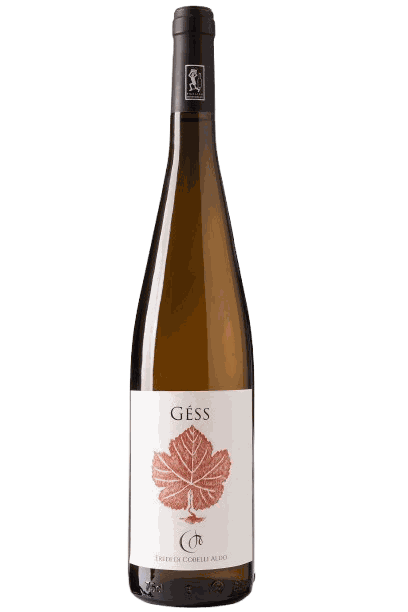
Eredi di Cobelli Aldo is the Trentino estate created by brothers Tiziano, Devis and Ivano Cobelli in memory of their father Aldo. Its vineyards lie around Sorni, where gypsum is both a physical feature of the ground and a visible part of the family story. The estate now presents a compact range led by Teroldego, Nosiola and other Trentino varieties.[1][2]
For a trade buyer, the appeal is unusually coherent. The name explains who inherited the project. The place provides a geological cue that staff can remember. The wines give that cue several expressions rather than relying on one flagship.
The story still needs discipline. A boulder is not proof of a flavour, and a family tribute does not replace technical or commercial review. Used properly, however, the Cobelli narrative can help an importer build a distinctive Trentino proposition beyond the region’s most familiar labels.
The estate is named for an absence
“Eredi di Cobelli Aldo” means the heirs of Aldo Cobelli. The three brothers established the winery project after their father’s death, preserving his name in the company itself. Italian coverage identifies Tiziano, Devis and Ivano as the brothers responsible for the estate and connects their work to the family’s agricultural roots at Sorni.[2]
That naming choice changes how the history should be told. Aldo is not presented as a distant founder added to a label for prestige. His name is the operating identity carried by the next generation. A buyer can explain this without inventing dialogue or reconstructing private family moments.
The safest concise version is:
- Aldo made wine within the family’s agricultural life;
- his sons Tiziano, Devis and Ivano developed the present winery;
- they retained his name in “Eredi di Cobelli Aldo”;
- the current range is rooted in vineyards around Sorni.[2]
This version is personal but verifiable. It also makes the producer name easier for non-Italian customers to understand.
Why the gypsum boulder matters
Gypsum appears repeatedly in published accounts of the Cobelli vineyards and in the estate’s visual identity. The Sorni area contains a gypsum vein, and the family uses that geological presence as a central marker of place.[2]
A responsible seller should resist a direct line from rock to tasting note. Soil, roots, water, vintage and cellar decisions interact in more complicated ways than a single mineral descriptor suggests. The boulder’s value is first geographic and mnemonic: it gives customers something concrete to associate with Sorni.
That can support a simple educational sequence:
- locate Sorni within Trentino;
- show the gypsum feature and explain that it occurs in the vineyard area;
- introduce the grape and wine;
- taste before naming sensory characteristics;
- compare more than one Cobelli label to test whether a house style emerges.
This approach keeps geology useful without turning it into folklore. It also helps restaurant staff answer follow-up questions honestly.
Organic farming as an operating choice
Italian producer coverage reports that the Cobelli estate has been certified organic since 2014. It describes biodiversity measures, grassing between rows and efforts to reduce unnecessary tractor movement and soil compaction.[2] Those practices give a buyer more substance than a broad claim about “respect for nature”.
Certification still needs vintage-specific verification. Logos, certificate status and approved wording should be checked in the current export pack, particularly when labels or market rules require precision.
The trade conversation should focus on what the farming choice changes operationally:
- it provides a documented production attribute for buyers with organic criteria;
- it creates staff-training material beyond taste descriptors;
- it may affect how the producer manages disease pressure and vineyard work;
- it gives the importer a due-diligence item that can be checked rather than assumed.
Organic status should not be used to promise a flavour or moral superiority. It is a farming framework and a certification claim. Its commercial value depends on the market, account and supporting paperwork.
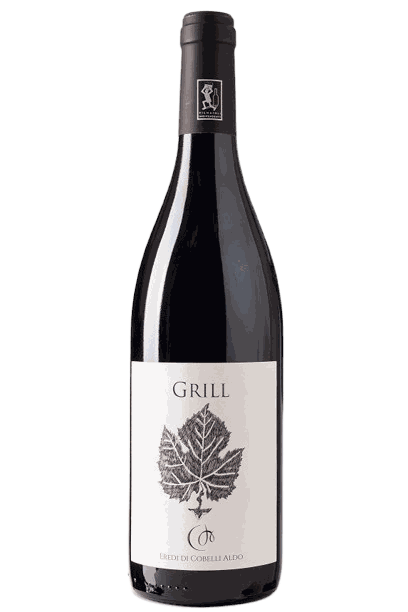
Grill puts Teroldego at the centre
The estate’s official wine page presents Grill as Teroldego DOC Trentino Sorni Rosso. The same range includes Gess Gewürztraminer, Arlevo Chardonnay, Nosiol Nosiola and Aldo, a traditional-method sparkling wine aged on its lees.[1]
Grill offers the clearest opening for a native-red conversation. Teroldego can give a buyer a Trentino red proposition distinct from international varieties, while the Sorni reference tightens the origin. La Cucina Italiana selected the 2015 Grill for a weekly wine feature in 2019, providing a dated editorial mention rather than an evergreen award claim.[3]
That mention may help a sales deck, but the present wine must stand on its own. The importer should taste the current vintage, verify its designation and method, and decide where it sits between by-the-glass accessibility and specialist retail.
Useful sample-room questions include:
- What is the current vintage’s fruit source within Sorni?
- How is Teroldego handled in fermentation and maturation?
- What service temperature does the estate recommend?
- How does Grill differ structurally from the other red wines in the portfolio?
- Which food-led accounts can explain the grape rather than hide it?
The answers turn a memorable name into a placement plan.
Nosiola and the value of a focused white
Nosiol is the estate’s Nosiola bottling. Nosiola is strongly associated with Trentino, making it a useful white for buyers who already cover Italian Pinot Grigio but want a more specific regional story. The official Cobelli page confirms the wine in the estate range.[1]
The buyer’s task is to position it without exaggerating rarity. Public sources reviewed for this article do not support a precise claim that the estate owns a particular percentage of the world’s Nosiola. That claim has therefore been removed.
Nosiol can instead be sold on verifiable foundations:
- a Trentino native grape;
- a producer based at Sorni;
- certified-organic estate farming, subject to current certificate review;
- a range in which Nosiola sits beside Teroldego and other local or regional expressions.[1][2]
This is enough for a strong table conversation. A sommelier can introduce the grape, show the regional connection and let the glass establish its relevance.
A range that can support several accounts
The estate’s five-wine presentation creates a compact but varied register. Grill and Nosiol provide native-grape anchors. Gess and Arlevo address buyers who need recognisable aromatic or international varieties. Aldo adds a traditional-method sparkling option with the family name at its centre.[1]
Compact ranges have advantages. Training is easier, samples can cover the whole producer, and each wine has a better chance of receiving attention. They also expose duplication quickly. If two labels have no distinct commercial role, the importer cannot hide the problem inside a vast catalogue.
A possible trade sequence is:
- Gess to establish aromatic precision;
- Nosiol for the regional white;
- Grill for the native red;
- Aldo to close with the family dedication and traditional method.
Arlevo can be added if Chardonnay has a clear role in the destination portfolio. The sequence should be adjusted after tasting, not fixed by marketing hierarchy.
The boulder as a training device
The gypsum boulder is most useful when it helps staff remember a chain of facts. Boulder leads to gypsum. Gypsum leads to Sorni. Sorni leads to the Cobelli brothers. The brothers lead to Aldo and the estate name. From there, the seller can introduce Grill and Nosiol.
That is a genuine training advantage. Many small producers have worthy wines but stories too diffuse for a busy sales team. Cobelli has a physical object that organises the account.
The risk is making the rock do too much. Do not say gypsum makes every wine taste salty. Do not claim it is unique in world viticulture. Do not turn Aldo’s memory into an invented quotation. The verified story already has emotional and commercial force.
Approved photography would add value here. An estate image of the boulder, vineyards or brothers can connect the spoken story to a recognisable visual. Usage rights and credits must be secured before publication or campaign use.
Due diligence before listing
Before presenting the estate to accounts, request:
- current technical sheets for Grill, Nosiol and any proposed additional wines;
- organic certification valid for the offered vintages;
- label and carton files;
- current quantities and release timing;
- approved family and vineyard photography;
- a concise producer chronology approved by the brothers;
- samples that allow native and international varieties to be compared.
The buyer should also confirm the spelling used across label, invoice, database and sales material. The full producer name is part of the story, so abbreviation should not erase Aldo or create inconsistency.
After tasting, assign each selected wine one job. Grill may be the native-red hand-sell. Nosiol may serve a sommelier-led white slot. Aldo may work as an artisan traditional-method alternative. If the jobs remain distinct, the producer has a practical route into the portfolio.
A story grounded in people and stone
Eredi di Cobelli Aldo brings together three brothers, their father’s name, organic farming and a recognisable geological feature at Sorni.[1][2] None needs embellishment. The commercial opportunity is to connect those facts to a small, teachable range.
For importers, the best test is whether staff can tell the story accurately after one training session and whether the wines reward that attention in the glass. If Grill and Nosiol establish a convincing native-grape core, the gypsum boulder becomes more than an image. It becomes the first step in a repeatable sales conversation.
Request the current Eredi di Cobelli Aldo catalogue and trade sample set through /catalog.
Sources
- Eredi di Cobelli Aldo official site, “Wines,” https://cobelli.it/en/wine (Checked 2026-07-27).
- WineTelling, “Eredi di Cobelli Aldo,” https://www.winetelling.it/eredi-di-cobelli-aldo/ (Checked 2026-07-27).
- La Cucina Italiana, “Il vino della settimana: Teroldego Grill 2015,” https://www.lacucinaitaliana.it/storie/luoghi/il-vino-della-settimana-teroldego-grill-2015-eredi-di-aldo-cobelli/ (Checked 2026-07-27).