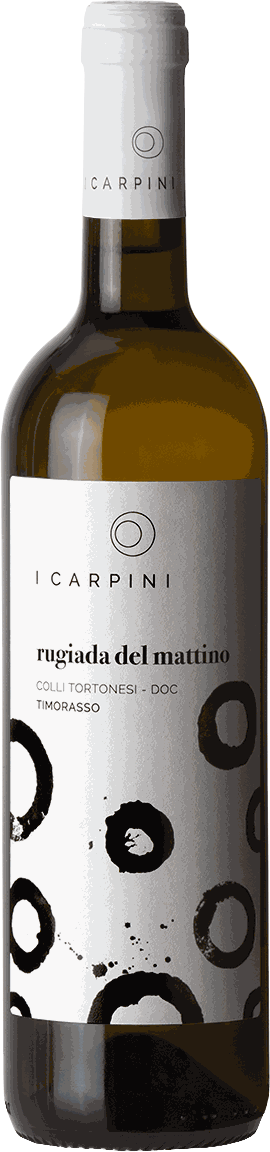
i Carpini is a Colli Tortonesi producer at Pozzol Groppo with a range centred on Timorasso and long development. Its official list includes several still Timorasso wines, the flor-influenced Timox and Chiaror sul Masso, a pas dosé traditional-method sparkling wine with 36 months on the lees.[1][2] For a trade buyer, the estate’s key idea is not rarity. It is that different handling and time can give one local grape several commercial forms.
That idea should be tested through a sequence, not a single unusual bottle. Timox may attract the first question, but the more conventional Timorasso expressions establish the reference point needed to understand it.
Pozzol Groppo and the Colli Tortonesi frame
i Carpini gives its address as Cascina Ca’ Antonotti at Pozzol Groppo in Alessandria province. Its official range is presented mainly through Colli Tortonesi DOC wines, with Timorasso and Barbera playing major roles.[1]
For buyers unfamiliar with the area, the first task is orientation. Put Pozzol Groppo on a map, explain that the producer works within the Colli Tortonesi context, and introduce Timorasso as the white-grape centre of the proposed tasting.
Avoid loading the opening with unsupported claims about unique altitude, vine age or global scarcity. The commercial question is more direct: can the estate supply a recognisable Timorasso progression that target accounts will understand and reorder?
A useful introductory set might include:
- a fresher still Timorasso;
- a more developed or Riserva expression;
- Timox as the oxidative and vessel-led contrast;
- Chiaror sul Masso as the sparkling interpretation.
That is enough to show range logic without asking a buyer to memorise every label.
One grape, several clocks
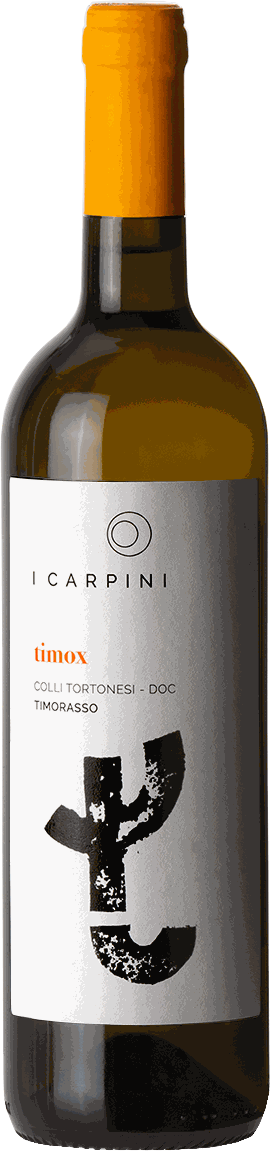
The official i Carpini list includes Rugiada del Mattino, Brezza d’Estate Riserva and Timox under Timorasso, plus Chiaror sul Masso as a nature or pas dosé sparkling wine made from the grape.[1]
These wines operate on different clocks. A still white can be released for direct regional and varietal expression. A Riserva asks the buyer to consider development. A flor-influenced wine introduces controlled oxidative conditions. Traditional method adds a second fermentation in bottle and lees ageing.
The range therefore offers a ready-made training question: what does time do here?
Staff can compare:
- primary fruit and immediate structure in the younger still wine;
- texture and development in the Riserva;
- savoury or oxidative dimensions in Timox, confirmed through tasting;
- autolytic and sparkling structure in Chiaror sul Masso.
These are categories for observation, not promised tasting notes. The current bottles decide what is actually present.
Timox: a wine that needs explanation
The producer describes Timox as a demanding interpretation of Timorasso. The wine undergoes extended maceration, then maturation in a partially filled tank under a surface flor, followed by a period in ceramic vessel.[2]
Each part of that statement has trade consequences. Maceration can influence texture and phenolic structure. A partially filled vessel and flor change the oxygen environment. Ceramic adds another maturation condition without the flavour contribution associated with new oak.
The sales team should not compress all of this into “orange wine”. That term may help some accounts but can obscure what actually happened. A better explanation names the process in order and gives the buyer the technical sheet.
Before listing Timox, confirm:
- current vintage and designation;
- grape composition;
- maceration duration;
- length and conditions of flor development;
- ceramic-vessel time;
- filtration and sulphur data;
- sediment guidance and recommended service.
If the producer recommends agitation before service, that instruction should be confirmed for the current release and communicated to accounts. Unusual service can create excitement, but only when staff know why they are doing it.
Chiaror sul Masso makes Timorasso sparkle
The official wine list identifies Chiaror sul Masso as a quality sparkling wine, nature or pas dosé, made from Timorasso with 36 months on the lees.[1] This gives buyers a way to discuss the grape through method rather than only still-wine age.
The wine should be evaluated as sparkling wine first. Ask for vintage, tirage, disgorgement, dosage confirmation, pressure, lees time and release policy. Then taste for balance and food utility.
Potential roles include:
- sommelier-led aperitif;
- traditional-method alternative in an Italian sparkling section;
- paired comparison with still Timorasso;
- specialist retail bottle for customers already familiar with the grape.
The label should not be sold merely as novelty. The most convincing account will understand why Timorasso’s structure works in the producer’s chosen sparkling format.
Barbera prevents a one-grape caricature
i Carpini’s official range also includes several Barbera and red wines: Sette Zolle, Bruma d’Autunno, La Fine del Mondo, Terre d’Ombra, Roccolo dei Carpini and Falò di Ottobre appear across Colli Tortonesi and Piemonte designations.[1]
This breadth matters because Timorasso can otherwise make the estate look like a single-grape project. Barbera and the red blends show another side of the property and may provide more flexible account placements.
The importer should still be selective. A large set of poetic names is hard to train without a clear hierarchy. Group the reds by style, maturation and commercial role, then choose the smallest set that demonstrates difference.
A practical selection may include:
- one Barbera for the core regional-red slot;
- one longer-developed Barbera or Riserva;
- one distinctive red blend if it fills a separate account need.
Roccolo dei Carpini should be described as an estate bottling only with its current technical and release information. Public material reviewed for this article does not justify a fixed claim that it appears every six to eight years.
Patience must become a commercial plan
“Released when ready” sounds compelling, but importers need dates. A slow-release philosophy creates value only when the supply chain knows what is coming, what is held back and how vintages will change.
Ask the producer for:
- a release calendar by label;
- current and next vintages;
- time in vessel and bottle before offer;
- quantities available to the destination market;
- guidance on cellaring after arrival;
- replacement timing for sold-out wines.
These facts allow the distributor to manage customer expectations. A restaurant may welcome a mature release, but it still needs to know whether the next allocation arrives in three months or the following year.
Patience also affects cash and storage. The producer carries wine for longer; the importer may need to carry it too. The margin and account strategy should reflect that operational reality without turning it into a vague premium story.
Numbered bottles and old vines require proof
Secondary coverage of i Carpini includes claims about numbered bottles, an old vineyard and long minimum release periods.[3] Those details can be meaningful, but the current public first-party pages reviewed here do not establish every claim for every wine.
They should therefore remain outside published sales copy until the producer supplies:
- parcel records or a confirmed vineyard chronology;
- label images showing numbering;
- wine-specific ageing documentation;
- an approved explanation of the release policy.
This is not excessive caution. Old-vine and bottle-number claims are easy to repeat and difficult to correct once they circulate through distributor decks, retailer pages and restaurant lists.
The verified range is already distinctive. Timorasso in several forms, flor, ceramic and traditional method provide enough substance without borrowing unsupported numbers.
Building the buyer tasting
Start with two still Timorasso wines that differ clearly in release or maturation. Add Timox third, once the baseline has been established. Pour Chiaror sul Masso either first as an aperitif or last as a method comparison, depending on the sample’s structure.
For each wine, record:
- exact designation and vintage;
- vessel and time;
- filtration and sulphur information;
- sensory role in the sequence;
- intended account;
- training burden;
- release and replenishment plan.
Then select by function, not fascination. Timox may be the wine everyone discusses, while a more direct Timorasso becomes the repeat-order engine. Chiaror sul Masso may open doors to sparkling specialists. A Barbera may make the producer workable for restaurant groups.
The range succeeds when those roles support one another.
Time as the estate’s common language
i Carpini gives buyers more than a claim about waiting. Its official range shows Timorasso handled as youthful still wine, Riserva, flor-influenced wine and traditional-method sparkling wine.[1][2] Those forms let a sales team demonstrate time rather than merely talk about it.
The buyer’s job is to turn that demonstration into a disciplined offer. Confirm the technical data, remove unsupported age and scarcity claims, and choose wines with distinct account purposes. If the samples show a coherent hand across the different clocks, i Carpini can become a memorable Colli Tortonesi producer rather than a one-bottle curiosity.
Request the current i Carpini catalogue, release plan and trade samples through /catalog.
Sources
- i Carpini official site, “Vini,” https://icarpini.it/vini/ (Checked 2026-07-27).
- i Carpini official site, “Timox,” https://icarpini.it/timox/ (Checked 2026-07-27).
- Lavinium, “Cascina i Carpini con i suoi vini d’autore dei Colli Tortonesi,” https://www.lavinium.it/cascina-i-carpini-con-i-suoi-vini-dautore-dei-colli-tortonesi/ (Checked 2026-07-27).