Madri Leone is the Trinitapoli winery created by sisters Marilia and Linda Leone. Its central idea is direct: each core wine carries the story of an Italian woman, while the range remains rooted in Puglian grapes such as Nero di Troia, Primitivo and Bombino Bianco.[1] For trade buyers, the concept offers unusual recall, but it works only when the historical story and the wine are both presented accurately.
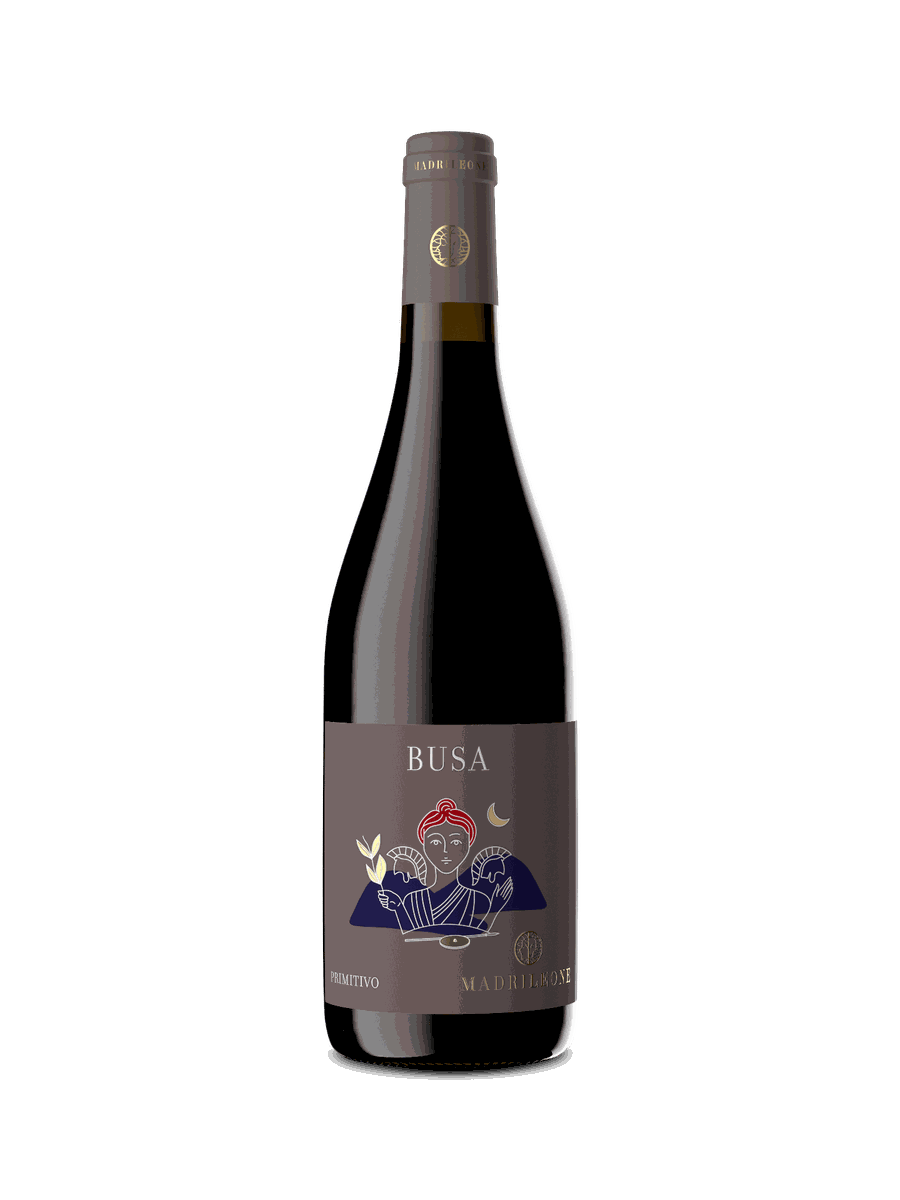
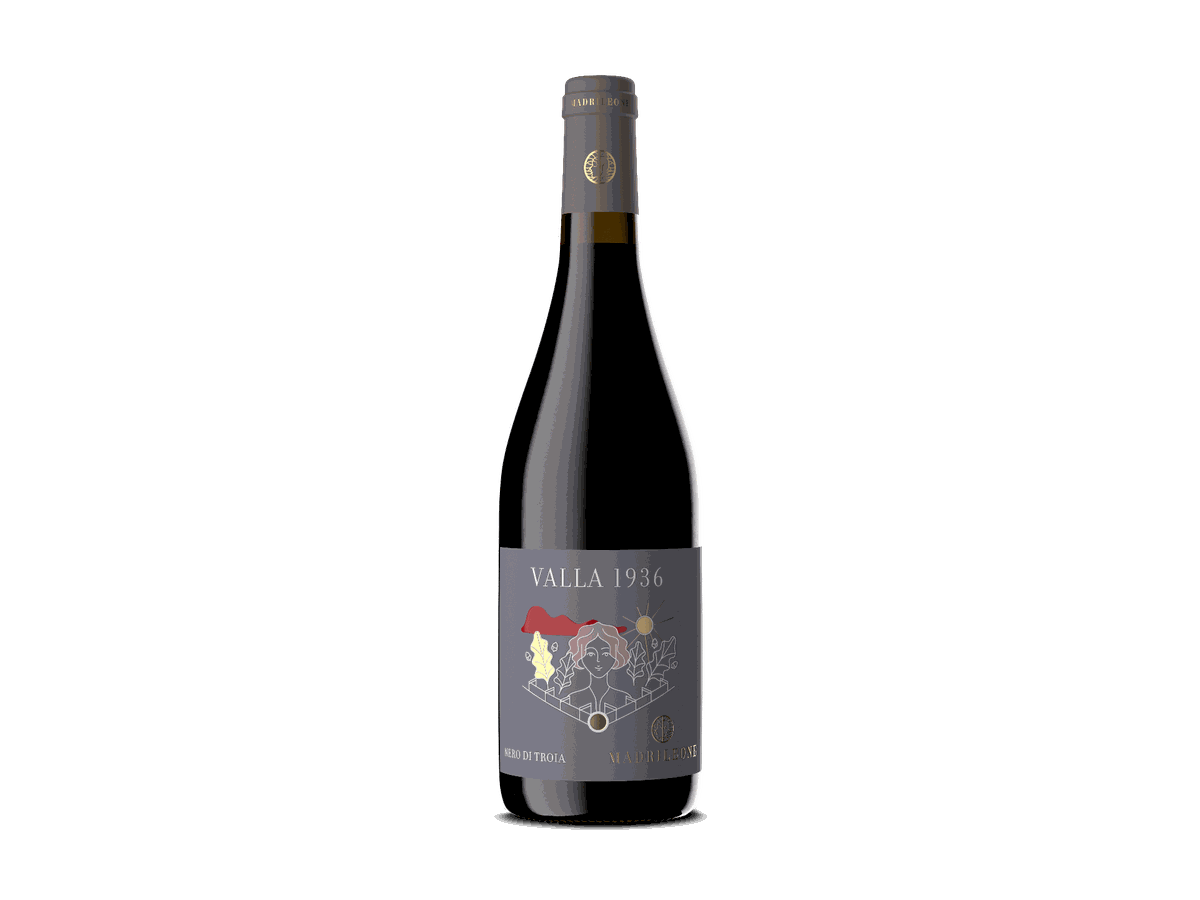
Busa refers to Paulina Busa and the aftermath of the Battle of Cannae. Valla 1936 recalls Olympic champion Ondina Valla. Sanna Sulis honours an eighteenth-century entrepreneur.[2][3] These are not decorative names. They are the organising system of the brand.
Two sisters built the current project
The producer introduces Marilia and Linda as sisters with different professional paths. Marilia worked through cellar, laboratory and administrative roles in the family business. Linda studied law and sociology before choosing to work with the land and wine. Their official account connects the present winery to a family wine business extending through earlier generations.[1]
Italian reporting dates the Madri Leone project to February 2020, shortly before pandemic restrictions transformed hospitality and trade.[4] That timing is useful but should not be turned into a claim that the project succeeded because of adversity. It establishes when the sisters launched their distinct identity.
The concise trade chronology is:
- an earlier family wine business;
- two sisters with complementary experience;
- Madri Leone launched as a distinct project in 2020;
- labels built around women’s biographies and Puglian varieties.[1][4]
This gives buyers enough context without blurring the family’s longer activity with the founding of the current brand.
Trinitapoli defines the landscape
Madri Leone locates itself in the Tavoliere delle Puglie, between the Adriatic, Ofanto River, Murge and Margherita di Savoia salt pans. The operational address is at Trinitapoli in the province of Barletta-Andria-Trani.[1]
That geography helps the brand avoid becoming a concept detached from place. A presentation should show the northern Puglia location before introducing the women on the labels.
The sequence matters:
- locate Trinitapoli and the Tavoliere;
- introduce the grape and wine;
- explain the woman honoured by the label;
- taste for the commercial role;
- confirm current technical and supply data.
If the biography comes first and origin never arrives, the bottle risks looking like a branding exercise. If place and wine lead, the story adds depth.
Busa changes the meaning of strength
Madri Leone’s official Busa page dedicates the Primitivo to Paulina Busa, a woman associated with caring for Roman soldiers after the Battle of Cannae in 216 BC. The producer frames her action as a different form of strength, based on care rather than combat.[2]
This is a compelling tableside story because it can be told in two sentences. It also carries risk: ancient history is easily embellished. Sales copy should stay close to the producer’s published account and avoid invented quotations, precise patient numbers or claims beyond the cited record.
The buyer must also evaluate Busa as Primitivo:
- exact designation and vintage;
- fruit source;
- fermentation and maturation;
- analysis and service;
- price position within the market’s crowded Primitivo category.
The biography earns attention, but the wine needs a distinct role. Busa may work best where a restaurant or retailer wants Primitivo with a specific regional and human frame rather than a generic southern Italian red.
Valla 1936 connects Nero di Troia to an athlete
Valla 1936 honours Ondina Valla, the first Italian woman to win Olympic gold, achieved in the 80-metre hurdles at the 1936 Berlin Games. Madri Leone links her determination to a Nero di Troia wine.[3]
The date in the label name gives staff an easy memory cue. It should always remain paired with the exact historical event and grape.
For buyers, Valla 1936 can introduce Nero di Troia through a story that does not depend on the customer already knowing the variety. The seller can begin with Ondina Valla, name the grape, locate Trinitapoli, then describe the wine from the current tasting.
This is especially useful in markets where Primitivo dominates perceptions of Puglia. Nero di Troia can show another red-wine register, provided the importer does not rely on vague claims that it is more elegant or authentic. Taste and technical evidence should establish the difference.
Sanna Sulis gives rosé a commercial biography
The Sanna Sulis label honours Francesca Sanna Sulis, an eighteenth-century Sardinian entrepreneur associated with silk production and work opportunities for women. Madri Leone applies the name to a Nero di Troia rosé.[1][5]
The pairing gives the rosé more than a colour story. It can support restaurant staff who need a memorable explanation outside seasonal clichés.
The importer should still confirm:
- direct-press or maceration method;
- colour and analysis;
- vintage and release point;
- service and food use;
- whether the label has continuing availability.
Rosé sales often depend on timing. The historical narrative is durable, but the commercial plan must address release dates and market seasonality without making stock promises.
Bombino Bianco broadens the range
Madri Leone’s range includes a Bombino Bianco label, giving buyers a white native-grape proposition beside the red and rosé wines.[5] The workbook links it to a figure named Delia, but the phrase “oldest mother in history” could not be reliably verified and has been removed.
The wine can be presented without that superlative. Confirm the producer’s approved biography, then focus on Bombino Bianco’s role in the range.
A white wine may be essential commercially because it lets restaurants introduce Madri Leone before a customer chooses a substantial red. It can also create a complete producer flight:
- Bombino Bianco;
- Nero di Troia rosé;
- Nero di Troia red;
- Primitivo.
That sequence shows Puglia through several varieties and styles while the label stories keep each bottle distinct.
Steel-only language requires a current sheet
Secondary profiles describe a freshness-focused cellar approach, and workbook material summarises the range as steel-only. The official pages reviewed for this article do not establish that every current wine uses only stainless steel.
The claim should therefore be made wine by wine. Request current sheets and record fermentation and maturation vessels for each proposed label.
This detail matters because “no oak” is often used as a shorthand for purity or freshness. Those are sensory conclusions, not vessel facts. The buyer should taste for them.
Precise technical copy can say:
- fermented in stainless steel;
- matured for a stated period in stainless steel;
- bottled after a stated interval.
It should not extend one label’s method to the entire producer without confirmation.
Turning biographies into account tools
Madri Leone has a natural training advantage. Each wine already contains a prompt for staff education. The importer can build a card with four fields:
Label: Busa
Woman: Paulina Busa
Wine: Primitivo
One verified fact: Cared for soldiers after Cannae
Label: Valla 1936
Woman: Ondina Valla
Wine: Nero di Troia
One verified fact: Olympic hurdles gold in 1936
Label: Sanna Sulis
Woman: Francesca Sanna Sulis
Wine: Nero di Troia rosé
One verified fact: Entrepreneur linked to silk work
Label: Additional label
Woman: Confirm
Wine: Confirm
One verified fact: Confirm with producer
The card should also include pronunciation and a direct source. That prevents history from changing as it moves through sales teams.
The stories work best in accounts with active staff engagement: specialist retailers, wine bars, sommelier-led restaurants and events built around women in wine or Italian regional diversity.
Buyer due diligence
Before selecting the range, request:
- current technical sheets and analyses;
- exact historical text approved for each label;
- image rights for portraits, artworks and bottle photography;
- destination-market trademark and label checks;
- current quantities and release timing;
- confirmation of vineyard sources and any growers;
- farming and certification documents for every sustainability claim.
Taste the wines without reading the biographies first, then repeat with the stories. This simple exercise shows whether the concept supports a good wine or distracts from a weak commercial fit.
Assign every wine one account role. If two labels rely on different women but occupy the same sensory and price position, the launch may need editing.
A brand concept anchored by wine
Madri Leone’s distinction is clear: Marilia and Linda pair wines from their Puglian context with the biographies of women whose actions deserve recall.[1][2][3] The concept gives sales teams genuine material, not an empty theme.
The importer’s responsibility is to keep each biography sourced, each wine technically current and each listing commercially purposeful. When those three elements align, the label story can move from first question to repeat order.
Request the current Madri Leone catalogue, approved biographies and trade samples through /catalog.
Sources
- Madri Leone official site, “The Female Universe of Apulian Wine,” https://www.madrileone.com/en/ (Checked 2026-07-27).
- Madri Leone official site, “Busa,” https://www.madrileone.com/en/vino/busa/ (Checked 2026-07-27).
- Madri Leone official site, “Valla 1936,” https://www.madrileone.com/en/vino/valla-1936/ (Checked 2026-07-27).
- Noi Donne, “Madri Leone, vini che raccontano anche storie di donne,” https://www.noidonne.org/articoli/madri-leone-vini-che-raccontano-anche-storie-di-donne.php (Checked 2026-07-27).
- Winesal, “Catalogue,” https://winesal.com/catalog (Checked 2026-07-27).