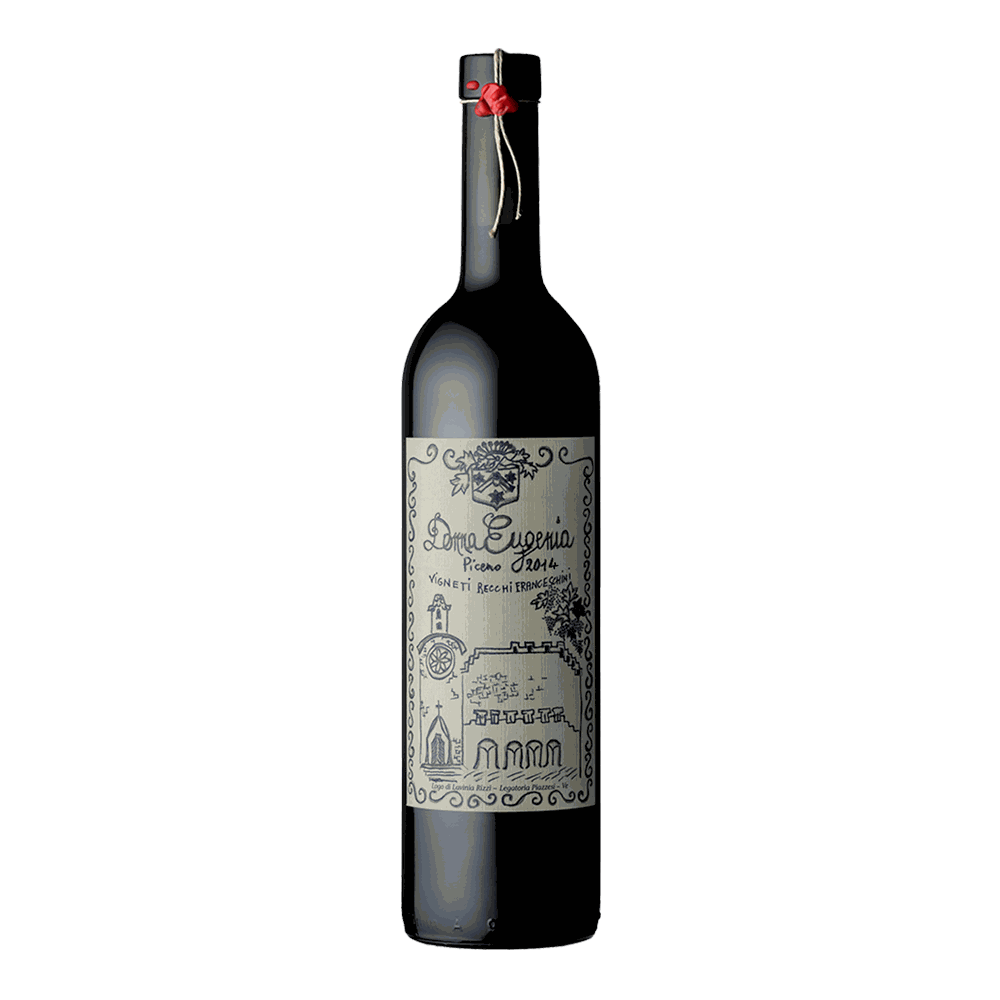
Offida DOCG and Rosso Piceno DOC give a buyer two clear southern Marche pillars. Offida includes protected white-wine expressions associated with Pecorino and Passerina, while Rosso Piceno covers reds based on the area's principal red varieties under its production rules.[1] Recchi Franceschini, Terre d'Arengo and Sciauerta then show three different producer models: patient estate wines, hospitality-facing breadth and small-cellar amphora work.[2][3][4]
Start with the denomination board
The Consorzio Tutela Vini Piceni provides an official overview of the area's denominations.[1] A buyer should use that source and the current production specifications to distinguish legal categories before building a southern Marche story.
The first board should contain:
Offida DOCG: verify whether the bottle is Offida Pecorino, Offida Passerina, Offida Rosso or another exact wording permitted by the current rules.
Rosso Piceno DOC: record standard or Superiore wording, blend, vintage and ageing from the bottle and technical sheet.
Marche IGT and other categories: retain their own identity. An amphora-aged Trebbiano or Sangiovese does not become Offida because the producer is nearby.
This distinction is commercially productive. The DOCG white answers a customer looking for regional typicity and a protected origin. Rosso Piceno supplies a food-led red category. IGT can show a producer's experimental or low-intervention register.
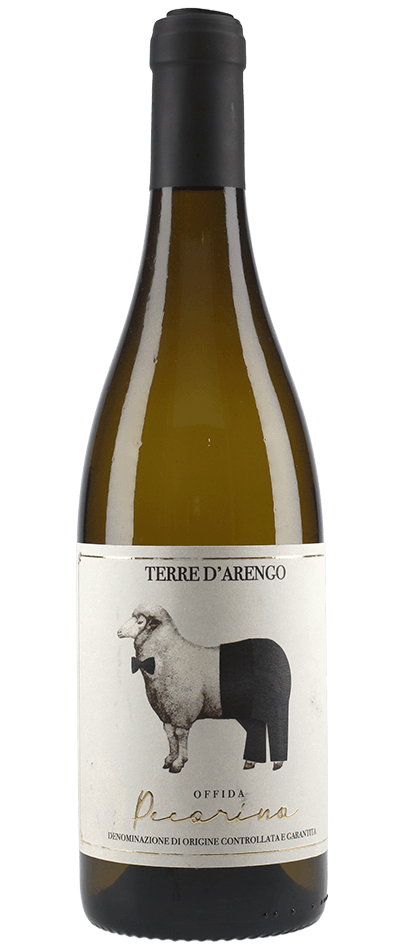
Pecorino: verify grape, place and style
Pecorino is both a grape name and the name of a cheese. Staff should address that confusion directly, then return to the wine. In this context, it is a white grape used in Offida DOCG wines under the denomination's rules.[1]
Taste the current bottle for acidity, body, aromatic profile, texture and finish. Do not promise a universal flavour. Harvest timing, site, lees work and vessel create substantial producer differences.
The technical sheet should answer:
- exact denomination wording;
- grape composition;
- vineyard municipalities;
- fermentation vessel;
- lees contact or bâtonnage, if claimed;
- total ageing and release date;
- alcohol and analysis required by the target market.
A restaurant can place Pecorino with seafood, vegetables, poultry or fresh cheese after a menu trial. A retailer can explain it as a serious central Italian white, not only a novelty grape.
Passerina must not disappear behind Pecorino
Passerina has lower international recognition, which makes precise documentation more important. Confirm whether the wine carries Offida DOCG Passerina or another designation and whether it is still or sparkling. The denomination overview supplies the official category context.[1]
In a tasting, place Passerina before or beside Pecorino at comparable temperature. Ask whether it brings a lighter, more floral, more neutral or simply different profile in the actual wines. If the account cannot explain the distinction, it may need only one southern Marche white at first.
Passerina can be valuable for by-the-glass programmes seeking an unfamiliar but pronounceable grape. It can also be lost when a supplier treats it as the automatic junior partner. Give it a separate scorecard and list role.
Rosso Piceno is a blend question
Rosso Piceno should be presented through its exact current rules and the producer's blend, not through generic “Montepulciano plus Sangiovese” shorthand alone.[1] The proportions, ageing and Superiore conditions matter.
For the buyer, blend logic is the useful conversation. Ask what each variety contributes in this producer's intended style, then test the claim in the glass. Record fruit, tannin, acidity, alcohol, oak and readiness.
A standard bottling may suit by-the-glass or an accessible regional-red position. A Superiore or longer-aged expression may warrant a bottle-list tier. Those placements depend on the wine, not solely on the word “Superiore”.
Rosso Piceno also gives the southern Marche range a stable food anchor. Offida whites can lead the tasting, but a red keeps the portfolio from becoming a two-grape white-wine lesson.
Recchi Franceschini: a compact estate set
Recchi Franceschini's official wine page presents the estate range.[2] Winesal currently lists three wines from the producer.[5] A compact set invites depth: every bottle should have a separate reason to exist.
Begin by identifying each current denomination and vintage. If the range includes Offida Pecorino, Offida Passerina or a Rosso Piceno expression, taste them as a white-white-red progression. Request full ageing and release information directly from the producer.
The planning workbook suggested organic and vegan status. This article does not publish those certifications because a current certificate for each offered product was not supplied. If the producer provides valid evidence, the marks can be added to the buyer file with scheme, issuer, scope and validity.
Similarly, estate history should remain within official claims. A documented historical family identity can enrich training, but it should not become “eight centuries of continuous winemaking” unless the producer's primary records establish exactly that.
Recchi Franceschini may suit an account that values a short range and bottle development. The buyer should confirm how current release timing supports that proposition rather than using “only released when ready” without evidence.
Terre d'Arengo: build around hospitality uses
Terre d'Arengo's official site presents the estate and range.[3] Winesal lists Bufera, La Fem, Pecorante, Pecorino and Savage.[5] The names span red, still white and sparkling or alternative categories, subject to each current label.
This range can be organised as a menu:
- Pecorino: assess as the core Offida white when the label confirms it.
- La Fem: identify grape and designation, then position it through the sample.
- Pecorante: confirm sparkling category, method, grapes and dosage before using it as an aperitivo.
- Bufera: assess its exact Rosso Piceno identity and blend.
- Savage: keep its legal designation distinct from Bufera and explain why it occupies another red slot.
The hospitality lens is practical because each wine must answer a course or service moment. It also exposes duplication quickly. If La Fem and Pecorino compete for the same menu line, the buyer should select one unless a pairing difference is obvious.
Do not copy colourful tasting notes from an old catalogue into a new vintage sheet. Taste and rewrite them.
Sciauerta: amphora requires numbers
La Terra Trema provides a detailed Sciauerta producer profile and technical information, including the estate's low-intervention approach.[4] Winesal lists Viperina, Zena and RSTP from Sciauerta.[5]
This is the smallest and most technically distinctive presentation of the three. Instead of broad claims such as “natural wine”, use the producer's published data for the precise wine and vintage. Amphora material, maceration days, temperature control, filtration, added sulphur and total or free sulphur should be copied exactly from a current technical sheet when relevant.
Zena can be used to discuss white grapes with skin contact only after the current vintage sheet confirms grape, days and vessel. Viperina and RSTP need the same treatment. The buyer should taste for stability, clarity of expression, texture and account fit, not for ideological conformity.
For a sommelier-led restaurant or low-intervention retailer, this level of transparency may be the selling point. For a broad account, the wines may require too much explanation. That is channel fit, not a judgement of quality.
Three producers, three different meetings
Do not place all eleven current catalogue wines on one table.[5]
Meeting one: denomination
Taste one Offida white and one Rosso Piceno red from Recchi Franceschini or Terre d'Arengo. Establish the legal and sensory baseline.
Meeting two: producer range
Take the producer that best fits the account and taste its complete short range. This reveals internal progression and duplication.
Meeting three: Sciauerta technical session
Taste the three Sciauerta wines with the technical sheets open. Compare the stated maceration, amphora or sulphur decisions with the sensory result. This session answers a different buying question from the denomination tasting.
The sequence respects all three approaches. It prevents an amphora wine from being treated as a quirky final glass and prevents the classic wines from appearing conservative merely because they came first.
A safe southern Marche sales vocabulary
Use:
- “Offida DOCG Pecorino” or “Offida DOCG Passerina” when the label states it.
- “Rosso Piceno DOC” with current blend and category from the technical sheet.
- “Amphora-aged” with vessel and time documented for the wine.
- “Certified organic” or “certified vegan” only with current product evidence.
Avoid:
- calling every local white Offida;
- implying Pecorino wine contains cheese;
- treating Passerina as a synonym for Pecorino;
- calling all amphora wine natural;
- repeating an analytical figure across vintages;
- presenting a family title as proof of continuous wine production.
Build the range by production philosophy
Southern Marche can support more than a grape checklist. Recchi Franceschini offers a compact estate conversation. Terre d'Arengo supplies menu breadth across several styles. Sciauerta offers detailed small-cellar technique and amphora-led wines.
A distributor can assign those propositions to different accounts while keeping Offida and Rosso Piceno as geographical anchors. A restaurant can choose one classic white, one red and one boundary-pushing bottle. An enoteca can run a session on how the same region accommodates protected denominations and IGT freedom.
The winning set is not necessarily the largest. It is the set in which every bottle's legal identity, production evidence and list job remain clear.
Request the Winesal catalogue and separate sample sessions for Offida and Rosso Piceno benchmarks, Terre d'Arengo's menu range and Sciauerta's amphora wines.
Sources
- Consorzio Tutela Vini Piceni, official denomination overview, https://consorziovinipiceni.com/denominazioni/ (Checked 2026-07-27).
- Tenute Recchi Franceschini, official wines, https://www.tenuterecchifranceschini.it/wines/ (Checked 2026-07-27).
- Terre d'Arengo, official producer site, https://terredarengo.it/ (Checked 2026-07-27).
- La Terra Trema, Sciauerta producer profile and technical information, https://www.laterratrema.org/vignaioli-e-agricoltori/marche/sciauerta/ (Checked 2026-07-27).
- Winesal, current trade catalogue, https://winesal.com/catalog (Checked 2026-07-27).