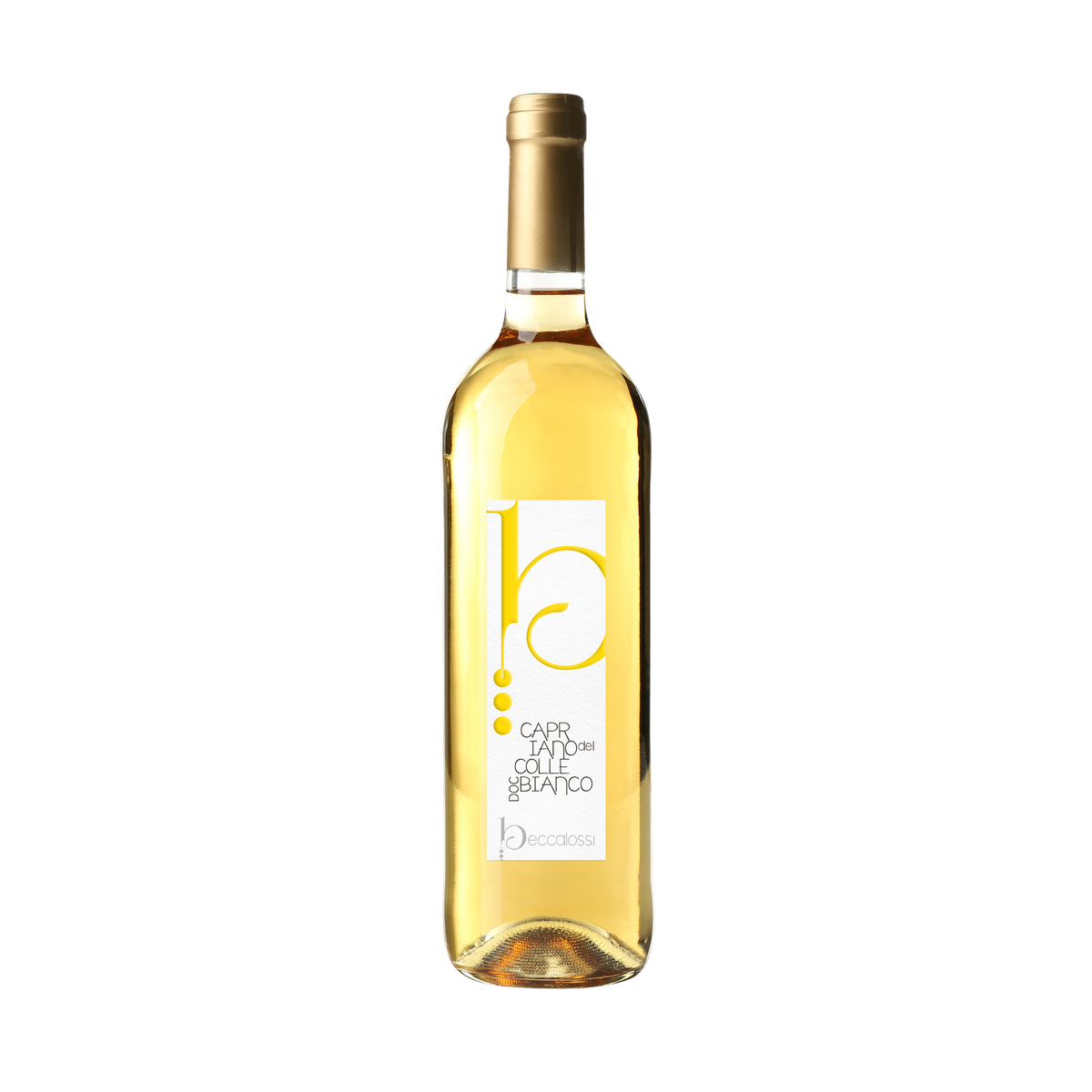
The shipping cost per bottle of Italian wine cannot be quoted responsibly without a route, case format, pallet build, service and commercial term. A full pallet often spreads fixed freight and handling over more bottles. A mixed pallet can cost more per bottle but reduce cash committed to each SKU and limit dead stock. The buyer should model both logistics cost and inventory risk.
This playbook gives an importer or distributor a repeatable method. It uses no fabricated carrier rates.
Start with physical facts
“One pallet” is not a complete unit. Capacity depends on:
- pallet footprint and permitted height;
- bottle shape, glass weight and closure;
- bottles per case;
- case dimensions and strength;
- layer pattern;
- gross weight limit;
- overhang restrictions;
- use of dividers, trays or presentation boxes;
- destination warehouse rules.
Ask every producer for a current logistics sheet. If one is unavailable, require measured bottle, case and pallet data before requesting freight.
The master should include:
Field: Bottle volume and shape
Why it matters: Determines case fit and handling
Field: Bottles per case
Why it matters: Converts cases to saleable units
Field: Case dimensions
Why it matters: Determines cube and pallet pattern
Field: Case gross weight
Why it matters: Controls handling and legal load
Field: Cases per layer
Why it matters: Determines stability and capacity
Field: Layers per pallet
Why it matters: Determines height and total cases
Field: Pallet gross weight
Why it matters: Affects carrier acceptance and price
Field: Pallet type
Why it matters: Affects exchange, treatment and receiving
Do not copy these values from another wine merely because both use 75cl bottles.
Separate fixed and variable costs
A route quote usually contains both.
Fixed or shipment-level
- booking or collection minimum;
- customs or excise administration where applicable;
- export handling;
- entry or broker fee;
- delivery appointment;
- documentation charge;
- security or terminal minimum.
Variable
- weight or pallet-based freight;
- fuel or seasonal surcharge;
- case picking and repacking;
- storage by day or pallet;
- insurance based on value;
- duties or taxes based on product;
- extra stops;
- temperature-control service.
Allocate fixed costs across bottles only after the final quantity is known. Then keep the raw charge visible so the model can be rerun when volume changes.
The base formula
For one shipment:
logistics cost per bottle = total allocated logistics cost ÷ saleable bottles received
Use saleable bottles received, not bottles ordered, when reconciling the final movement. Damage, shortage and samples affect the true cost.
Build two views:
- Estimated: ordered quantity and quoted charges.
- Actual: received quantity and invoiced charges.
The variance should show whether the difference came from freight, waiting time, repacking, damage, exchange rate or another line.
Full pallet versus mixed pallet
Full single-SKU or single-estate pallet
Potential advantages:
- simpler picking and packing;
- fewer origin hand-offs;
- more stable case pattern;
- lower fixed-cost allocation per bottle;
- easier receiving and lot control.
Potential disadvantages:
- more cash in one producer or SKU;
- slower learning;
- greater markdown risk if demand is wrong;
- less range coverage;
- larger loss if a label or quality issue affects the lot.
Mixed pallet
Potential advantages:
- more styles and price roles;
- lower opening stock per SKU;
- a stronger account-testing programme;
- less exposure to one product;
- earlier evidence for the second order.
Potential disadvantages:
- picking and consolidation fees;
- more product records;
- greater chance of packing error;
- more complex shortage allocation;
- different case sizes can reduce packing efficiency;
- several sellers may mean several invoices or movement records.
The mixed pallet wins when its learning and cash-flow value exceeds its extra handling and freight. That is a business calculation, not a rule.
Model cash per SKU
Freight per bottle answers only one question. Add:
- bottles by SKU;
- landed cost per bottle;
- total cash by SKU;
- weeks of expected sell-through;
- gross cash contribution;
- reorder point;
- markdown or write-off scenario.
Suppose a buyer can place one deep order or a mixed test. Do not invent prices. Enter actual quotations and compare:
Measure: Total bottles
Deep build:
Mixed build:
Measure: Number of SKUs
Deep build:
Mixed build:
Measure: Freight per bottle
Deep build:
Mixed build:
Measure: Cash per SKU
Deep build:
Mixed build:
Measure: Highest weeks of stock
Deep build:
Mixed build:
Measure: Accounts covered
Deep build:
Mixed build:
Measure: Expected second-order date
Deep build:
Mixed build:
A slightly higher freight number can be rational if it prevents months of excess stock.
Bottle shape and glass weight
Heavy or unusually shaped bottles affect the load twice. They can increase gross weight and reduce packing density. Presentation boxes, broad shoulders and tall formats may also create less stable mixed layers.
Ask whether:
- cases can be stacked safely;
- different case footprints can share a layer;
- bottles require upright handling;
- the warehouse accepts the planned height and weight;
- additional corner boards, wrap or straps are needed;
- the packaging has been tested for the route.
Do not treat lighter glass as an automatic quality statement. It is a packaging and sustainability consideration that needs producer confirmation and transport testing.
Season and temperature
Wine logistics has a quality cost as well as a freight cost. The Australian Wine Research Institute warns that temperature extremes during transport can damage wine and recommends retaining holdback samples under known conditions for comparison if a problem occurs.[1]
Build the season into the quote:
- standard dry service;
- insulated service;
- temperature-controlled service;
- delayed shipment to a cooler window;
- data logger;
- consolidation dwell time;
- weekend or holiday exposure.
The cheapest transport option may be false economy for a sensitive or high-value load. Conversely, a refrigerated service is not automatically necessary for every short lane. Decide from route, season, value, transit pattern and risk appetite.
Incoterms and hidden comparisons
Two freight quotes are not comparable if the wine prices use different delivery terms. ICC explains that Incoterms allocate delivery tasks, costs and risks.[2]
Normalise:
- origin loading;
- inland collection;
- export clearance;
- consolidation;
- main carriage;
- insurance;
- import or excise administration;
- destination delivery;
- unloading.
An EXW product quote plus buyer-arranged freight can look lower than a DAP quote because the first leaves more lines outside the product price. Put both into the same landed-cost table.
A ten-SKU starter build
The brief suggested ten SKUs from five estates. Treat that as a planning pattern, not an offer.
A buyer might allocate roles:
- two sparkling wines for aperitif and premium use;
- two whites with different weight and price;
- one rosé;
- two lighter or medium reds;
- two structured reds;
- one specialist hand-sell wine.
For each, assign:
- target account list;
- opening case count;
- sample result;
- price role;
- training message;
- expected weekly movement;
- reorder trigger.
Then ask the consolidator whether the case shapes and collection schedule can produce a safe load. If one estate delays the whole build, calculate the cost of waiting versus shipping a revised selection.
Consolidation controls
A mixed load needs one packing authority. Require:
- inbound case count by producer;
- condition photographs where useful;
- lot and vintage verification;
- master packing list;
- pallet map by SKU;
- seal or shipment reference;
- discrepancy process;
- final weight and dimensions.
If goods move under EU excise procedures, the movement records must match the actual route and authorised parties. The European Commission explains that EMCS records duty-suspension movements through the e-AD and duty-paid covered movements through the e-SAD.[3] One physical pallet does not guarantee one electronic record.
Receiving and final reconciliation
The buyer should inspect before breaking down the pallet:
- photograph the load;
- check wrap, straps and visible impact;
- read any data logger;
- compare pallet and case count with documents;
- inspect leakage or pushed closures;
- isolate damaged cases;
- record shortages by SKU and lot;
- notify the responsible party within the contract deadline.
Then update actual saleable bottles and cost per bottle. This is the number to use in range review.
When to choose each format
Choose a deeper pallet when demand is proven, the SKU has repeat accounts, the product file is stable and lower handling clearly matters.
Choose a mixed test when the market is new, account roles are still being learned, cash per SKU is the main constraint and the consolidation premium is transparent.
Choose a smaller parcel when the purpose is samples, a controlled allocation or a time-sensitive gap fill, subject to lawful carrier and excise handling.
Winesal's /catalog can support a role-based shortlist. Request current case and pallet specifications before asking for a logistics quote.
Request the current catalogue and book a call to build a mixed-pallet worksheet using your destination, actual quotations and target account demand.
Sources
- Australian Wine Research Institute, “Transport and Storage,” https://www.awri.com.au/industry_support/winemaking_resources/storage-and-packaging/post-packaging/transport-and-storage/. Checked 2026-07-27.
- International Chamber of Commerce, “Incoterms Rules,” https://iccwbo.org/business-solutions/incoterms-rules/. Checked 2026-07-27.
- European Commission, “Excise Movement and Control System,” https://taxation-customs.ec.europa.eu/taxation/excise-duties/emcs_en. Checked 2026-07-27.