Piedmont beyond Barolo is not a discount version of Nebbiolo country. A buyer can build five independent routes: Nizza DOCG from Barbera, Alta Langa traditional-method sparkling wine, aromatic Canelli Moscato, Erbaluce and Carema in the alpine north, and Timorasso from the Colli Tortonesi. Winesal's l'Armangia, Eporedia and i Carpini selections make those routes available without pretending that one grape represents the region.[1]
Route one: Nizza gives Barbera its own frame
Nizza DOCG is 100% Barbera. Its producers' association explains that the denomination developed from work begun in the 1990s to distinguish Barbera from the historical Nizza production area, with stricter viticultural and cellar rules.[2] That makes Nizza more useful than the phrase “premium Barbera”, which says nothing about origin or compliance.
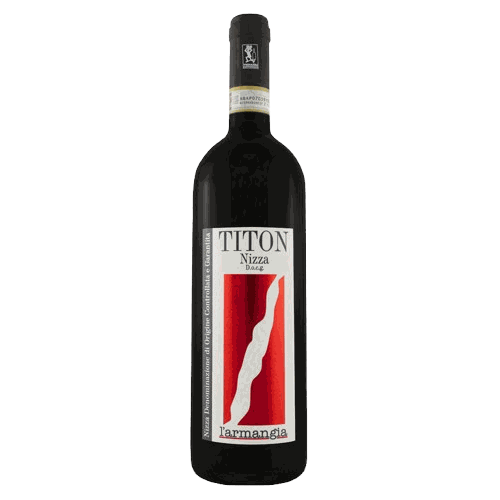
L'Armangia's current official range includes Nizza DOCG Titon and Nizza DOCG Riserva Vignali, alongside Barbera d'Asti Sopra Berruti.[3] This is a ready-made three-bottle seminar:
- Barbera d'Asti establishes the broader grape and denomination.
- Titon introduces Nizza DOCG.
- Vignali adds the Riserva category.
Ask for exact vintages, vineyards, wood regimes and release dates. The DOCG and Riserva terms establish legal frameworks, but they do not reveal how oak feels in the glass or whether a wine fits the account's current list.
Taste for acidity, tannin, fruit condition and alcohol integration. Barbera is often described mainly through acidity, yet a buyer needs the full structural record. If Titon and Vignali occupy different prices, the list explanation should be grounded in site and ageing, not simply “good, better, best”.
Route two: Alta Langa starts with time on lees
Alta Langa DOCG is a vintage traditional-method sparkling wine. The consortium states that it continues Piedmont's nineteenth-century bottle-fermentation history and requires at least 30 months ageing on the lees.[4] Current specifications and the producer sheet should be checked for grape composition, altitude, vintage and Riserva requirements.
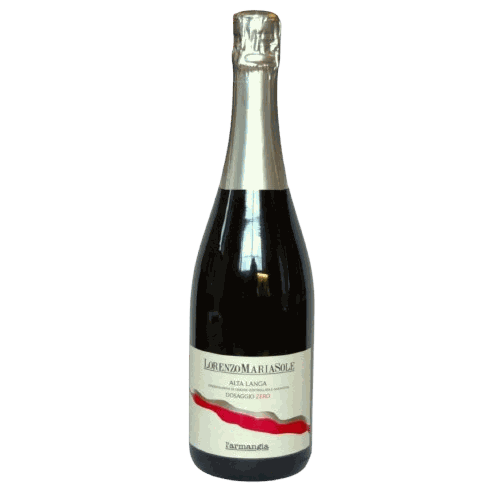
L'Armangia lists LorenzoMariaSole Alta Langa DOCG Dosaggio Zero.[3] “Dosaggio Zero” is a practical service clue: the finished wine has no dosage addition within the applicable legal category, but a buyer should still obtain the technical analytical data and disgorgement date for the lot.
Do not sell Alta Langa as “Italian Champagne”. Its accurate explanation is strong enough: protected Piedmont origin, vintage, traditional method, specified grapes, minimum lees time, and the producer's own dosage and release details.
Place LorenzoMariaSole beside a different traditional-method Italian wine only when the tasting has a purpose. Compare bubble texture, fruit maturity, autolysis, dosage impression and open-bottle performance. The result may support reception, tasting-menu or specialist-retail placement. It is not predetermined by the number of months.
Route three: Canelli changes the sparkling conversation
Canelli is associated with Moscato Bianco and a different production logic from Alta Langa. L'Armangia describes Moscato di Canelli and Barbera as the historical grape references of its area and lists Moscato d'Asti Canelli in the current range.[3][5]
This creates a useful same-estate contrast. Alta Langa relies on bottle fermentation and lees ageing; Moscato d'Asti is aromatic, lower-pressure and sweet in its classic expression. The buyer should verify the current protected designation, alcohol, residual sugar, pressure, closure and vintage from the exact bottle.
Do not place Moscato only under dessert. Test it with aromatic savoury dishes, fruit or cheese in the account's actual menu, then decide. Its lower-alcohol style may support a measured end-of-meal or brunch position, but no duty or health conclusion should be drawn without market-specific data.
L'Armangia says it has operated since 1988 and displays the FIVI mark, explaining that it grows, vinifies, bottles and markets its own wines.[3] That is relevant producer context. FIVI membership should not be described as an organic, vegan or sustainability certificate.
Route four: follow the morainic ridge to Erbaluce and Carema
The Consorzio Erbaluce Carema protects Erbaluce di Caluso or Caluso DOCG, Carema DOC and Canavese DOC.[6] These northern Piedmont names require different grape and style descriptions, so “alpine Nebbiolo” cannot stand in for the whole set.
Cantina Eporedia's current official site points to three vineyard locations: Masino, Carema and Piverone, on the Serra Morenica di Ivrea, and links them to Erbaluce and Nebbiolo wines.[7] Winesal currently lists five Eporedia entries, including Erbaluce, Canavese red and Carema identities.[1]
Build the tasting in two halves. First compare still Erbaluce with any traditional-method Erbaluce in the current offer. Record the second fermentation, lees time and disgorgement separately. Then compare Canavese Nebbiolo with Carema, keeping exact vineyard and maturation data visible.
Carema's steep or terraced imagery is powerful, but “heroic” should not replace technical facts. Request parcel, altitude, training system, hand-work details and current production. The official denomination and producer site establish place; the technical sheet establishes the wine.
Eporedia's name recalls Ivrea, but a polished founding story requires approved first-party chronology. Until it is supplied, present the current vineyard locations, grapes and labels rather than assigning motives or titles to named individuals.
Route five: Timorasso is a white-wine range by itself
The Colli Tortonesi consortium states that its DOC, established in 1973, covers 46 municipalities and protects Timorasso alongside Barbera, Cortese, Dolcetto, Croatina and other varieties.[8] Timorasso is therefore not an informal marketing name detached from place.
I Carpini's official range shows how widely one estate interprets it. Rugiada del Mattino is Colli Tortonesi DOC Timorasso. Brezza d'Estate is Timorasso Riserva. Timox is an orange wine made by macerating Timorasso in small ceramic vessels. Chiaror sul Masso is a pas dosé quality sparkling wine, with the range page stating 36 months.[9]
These bottles should not be lined up as successive quality levels. They are different production questions:
Wine: Rugiada del Mattino
Process focus: Reference still Timorasso
Buyer documentation: Vintage, vessel, lees and release
Wine: Brezza d'Estate
Process focus: Riserva and long development
Buyer documentation: Legal category, vineyard and actual age
Wine: Timox
Process focus: Skin contact and ceramic vessel
Buyer documentation: Maceration length, vessel, filtration
Wine: Chiaror sul Masso
Process focus: Sparkling, pas dosé
Buyer documentation: Method, lees months, disgorgement
Brezza d'Estate's producer page describes a single small vineyard and at least five years before the wine reaches the intended expression, while the displayed vintage page lists 900 bottles.[10] Treat that volume as vintage-specific, not as annual capacity.
Three producers should not become one giant assortment
Winesal's catalogue contains 31 entries across l'Armangia, i Carpini and Eporedia.[1] That breadth is useful for sourcing, but a launch does not need thirty-one explanations.
Choose one anchor from each route:
- Titon or Vignali for Nizza.
- LorenzoMariaSole for Alta Langa.
- Moscato d'Asti Canelli for the aromatic sweet register.
- One still Erbaluce and one Carema from Eporedia.
- One classic Timorasso and one method-led alternative from i Carpini.
This seven-wine skeleton already spans red, white, sparkling and sweet. It also gives every producer a reason to be present. Add Barbera d'Asti, Canavese Nebbiolo or a second Timorasso only when an account needs the comparison.
For a restaurant, the selection may shrink further. One sparkling, two whites and two reds can present Piedmont beyond Barolo without overwhelming staff. A specialist shop can carry deeper producer verticals and run comparative tastings.
Do not let category shorthand corrupt the database
Each record needs the exact protected name. Nizza and Alta Langa are DOCG. Carema is DOC. Erbaluce di Caluso or Caluso is DOCG. Colli Tortonesi Timorasso is DOC under the current consortium framework.[2][4][6][8] Proprietary names belong in a separate field.
“Metodo classico” belongs in production method, not denomination. “Orange” belongs in style, not legal origin. “Pas dosé” or “Dosaggio Zero” belongs in dosage category. These distinctions keep filters, staff notes and customer copy aligned.
The same discipline applies to producer membership. L'Armangia's FIVI statement describes control of its production chain.[3] It does not establish every bottle as organic. Any organic or vegan field requires its own certificate.
Before import, match each sample to its vintage, lot and quoted record. Catalogue presence does not prove current availability, future allocation, exclusivity or market rights.[1]
A tasting in five flights
Run a sequence that mirrors the routes:
- Alta Langa followed by Moscato d'Asti Canelli. Explain method, pressure and sugar.
- Still Erbaluce followed by a sparkling Erbaluce if available. Hold grape constant, change method.
- Two Timorasso wines, one conventional and one skin-contact or sparkling.
- Barbera d'Asti followed by Nizza and Nizza Riserva.
- Canavese Nebbiolo followed by Carema.
Use separate glassware and reset temperatures between sweet, sparkling, white and red flights. Record facts before tasting notes. Ask participants to write the account role only after they have seen the technical sheet and tried the wine with food.
This format stops Barolo from becoming the reference point in every discussion. Each protected name is allowed to state its own case through grape, place, method and observed performance.
Buying documents by route
For l'Armangia, request Nizza vineyard and ageing sheets, Alta Langa tirage and disgorgement, and Moscato pressure and residual sugar. For Eporedia, request vineyard maps and current sheets for Erbaluce, Carema and Canavese. For i Carpini, request ceramic-vessel details for Timox, release data for Brezza d'Estate, and disgorgement for Chiaror sul Masso.
Confirm legal labels, allergens, certifications, case packs, bottle weights and available vintages for every selected SKU. Keep commercial terms outside editorial claims until agreed in writing.
Piedmont beyond Barolo is strongest when it remains plural. Five routes give a buyer five reasons to list the region, each supported by a different denomination or method.
Request Winesal's current Piedmont catalogue and book a five-route trade tasting covering Nizza, Alta Langa, Canelli, Erbaluce and Carema, and Timorasso.
Sources
- Winesal, current trade catalogue entries for l'Armangia, Eporedia and i Carpini, https://winesal.com/catalog. Checked 2026-07-27.
- Associazione Produttori del Nizza, official Nizza production-rule overview, https://www.ilnizza.net/disciplinare.html. Checked 2026-07-27.
- L'Armangia, official producer history, FIVI statement and current range, https://www.armangia.com/. Checked 2026-07-27.
- Consorzio Alta Langa, official denomination and minimum lees-ageing overview, https://www.altalangadocg.com/alta-langa-docg/cose-lalta-langa-docg/. Checked 2026-07-27.
- L'Armangia, official Canelli and regional background, https://www.armangia.com/en/world/. Checked 2026-07-27.
- Consorzio Erbaluce Carema, official protected denominations, https://www.erbalucecarema.it/. Checked 2026-07-27.
- Cantina Eporedia, official vineyard and grape overview, https://cantinaeporedia.it/. Checked 2026-07-27.
- Consorzio Tutela Vini Colli Tortonesi, official DOC scope and grapes, https://collitortonesi.com/il-consorzio/. Checked 2026-07-27.
- I Carpini, official wine range, https://icarpini.it/vini/. Checked 2026-07-27.
- I Carpini, official Brezza d'Estate page, https://icarpini.it/en/brezza-destate-en/. Checked 2026-07-27.