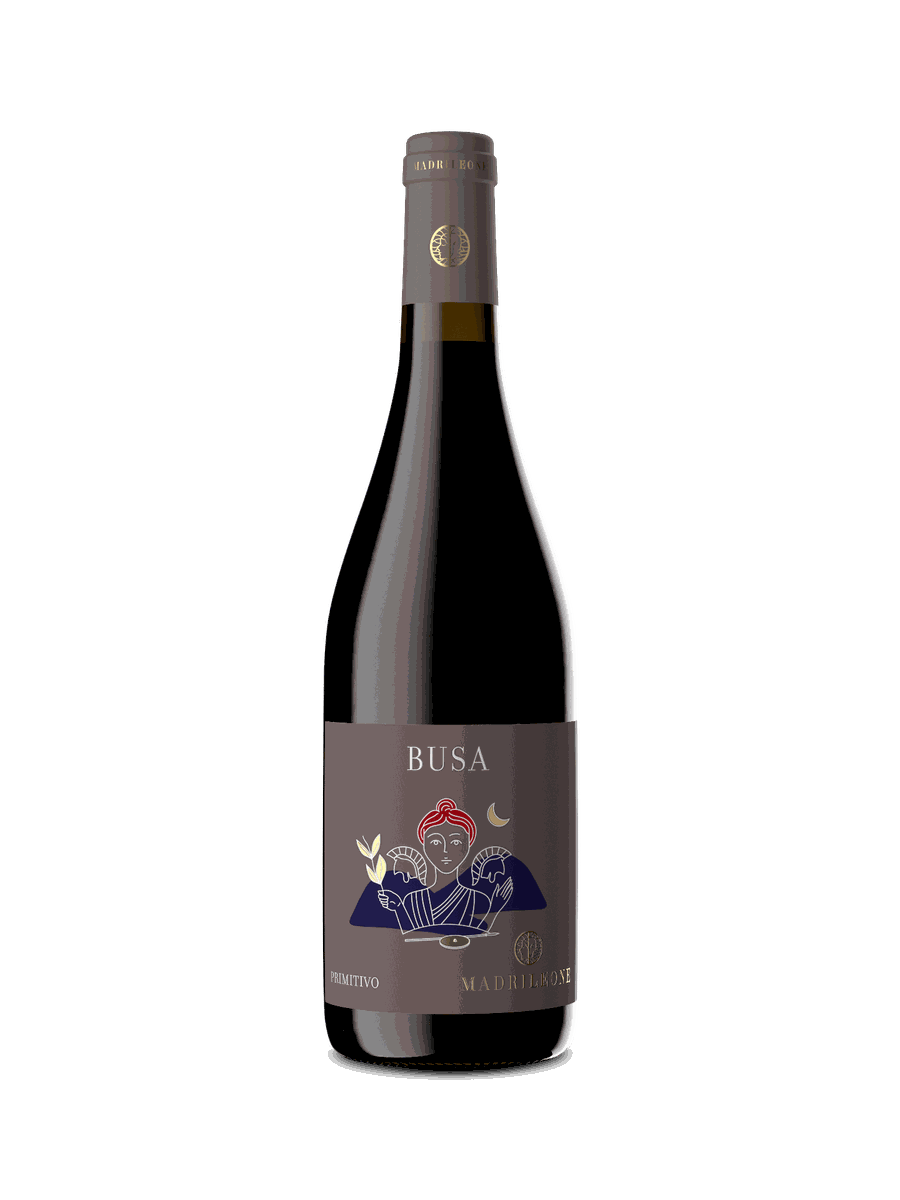
Choose an open portfolio when the market is still teaching you what sells. Consider exclusivity when a proven line needs protected investment and both parties can define territory and performance. Choose private label when the buyer's own brand, specification and channel control justify development work. None is automatically superior, and commercial details must be agreed for the specific producer and market.
This framework helps an importer compare control, risk and evidence before negotiating.
The three models
Model: Open portfolio
Main value: Flexibility and learning
Main risk: Limited protection for launch investment
Best early question: Which account roles are untested?
Model: Exclusivity
Main value: Protected territory or channel
Main risk: Lock-in without performance
Best early question: What must each party deliver?
Model: Private label
Main value: Buyer brand and specification control
Main risk: Development, compliance and minimums
Best early question: Is the expected volume credible?
The names hide variations. “Exclusive” can mean one country, state, channel, customer group or SKU. “Private label” can range from approved artwork on an existing wine to a custom blend. Define the actual model.
Open portfolio: learning mode
In an open model, the buyer selects from available producer brands without receiving exclusive territory. This can reduce commitment while the market is unproven.
It suits:
- a new country or state;
- a buyer testing unfamiliar denominations;
- a small opening order;
- several account roles;
- uncertain demand;
- a portfolio that needs quick comparison.
The buyer should still clarify:
- existing importers or distributors;
- channel conflicts;
- pricing consistency;
- trademark and label owner;
- notice if another appointment is made;
- rights to images and translated material;
- reorder and vintage-change process.
Open does not mean unmanaged. If two distributors sell the same wine into overlapping accounts, price and service conflict can damage the producer and buyers.
Exclusivity: protection tied to performance
Exclusivity can protect the work required to establish an unknown estate. The importer may fund labels, samples, registration, travel, education and inventory. In return, the producer may reserve a defined territory or channel.
The agreement should identify:
- exact products;
- territory;
- customer or channel scope;
- start and end dates;
- sales and activity expectations;
- launch obligations;
- supply and quality obligations;
- pricing and review;
- trademark and marketing rights;
- sub-distribution;
- reporting;
- termination and sell-off;
- effect of product discontinuation.
Do not reduce the conversation to an annual case target. A target without supply, price, marketing and review obligations can punish the party facing circumstances it does not control.
Commercial and competition-law review should be obtained for the relevant markets. A generic online template cannot account for state alcohol rules, EU competition rules or the parties' bargaining position.
Private label: a product-development model
Private label places the buyer's brand on the wine under an agreed structure. It can support a restaurant group, retailer, distributor house range or channel-specific proposition.
Development can include:
- selecting an existing compliant wine;
- defining a quality and analytical specification;
- choosing bottle, closure and case;
- creating brand and artwork;
- checking trademark availability;
- approving protected-origin statements;
- destination label compliance;
- agreeing sample and production controls;
- managing vintage changes.
The EU protects geographical indications and governs how protected wine names may be used.[1] A private brand therefore cannot disguise or misuse a protected origin. The exact wine and destination label must remain compliant.
For the United States, TTB identifies mandatory wine label information and the approval framework for imported wine.[2] The US importer should involve its compliance team before printing, not after cases are packed.
Private label is not one MOQ
Minimums can arise from:
- base wine or bottling run;
- bottle purchase;
- label-print run;
- carton print;
- closure;
- laboratory or certification work;
- producer setup;
- pallet and freight efficiency.
Ask the producer to separate each constraint. A stock bottle with digital labels may have a different threshold from embossed glass and printed cartons.
The accepted answer is a project quotation. Do not publish a universal Winesal private-label MOQ without owner approval.
Quality floors and sample control
A private label should have a written product specification:
- legal designation;
- grape or blend where claimed;
- origin;
- vintage or non-vintage treatment;
- alcohol range;
- key analytical values;
- sensory approval process;
- permitted winemaking choices;
- packaging;
- certificates;
- tolerance and rejection.
Keep an approved sample and lot record. If the producer proposes a different vintage or base wine, require a new approval. Brand ownership does not make the liquid interchangeable.
The hybrid most buyers reach
A practical portfolio can use all three models:
- open portfolio for new regions and experiments;
- exclusivity for two or three proven producer brands;
- private label for a stable core role.
The hybrid reduces concentration. The house label supplies continuity, exclusive estates reward education investment, and open lines keep discovery possible.
Manage channel clarity. The private label should not silently copy an exclusive producer wine in a way that creates conflict. Document whether base wines, packaging and account targets overlap.
Compare investment
Build a three-year worksheet:
Investment: Samples and travel
Open:
Exclusive:
Private label:
Investment: Registrations and labels
Open:
Exclusive:
Private label:
Investment: Artwork and trademark
Open:
Exclusive:
Private label:
Investment: Opening inventory
Open:
Exclusive:
Private label:
Investment: Staff and account launch
Open:
Exclusive:
Private label:
Investment: Ongoing marketing
Open:
Exclusive:
Private label:
Investment: Exit or write-off risk
Open:
Exclusive:
Private label:
Then add who owns the resulting assets. A buyer-funded translation, image shoot or trademark should not become ambiguous at termination.
Logistics and Incoterms
The sourcing model does not determine delivery. ICC explains that Incoterms allocate tasks, costs and risks for delivery.[3]
For each model, state:
- Incoterm and named place;
- collection or delivered structure;
- consolidation;
- export and import roles;
- insurance;
- temperature;
- title and payment separately.
Private-label production may require earlier commitments than an open stock selection. Exclusivity may justify holding more inventory. These are commercial consequences, not Incoterm rules.
When to say no
Decline exclusivity when
- territory is undefined;
- supply cannot support the plan;
- neither party will fund launch;
- performance is one-sided;
- there is no exit mechanism;
- existing rights conflict.
Decline private label when
- forecast cannot support disclosed minimums;
- trademark clearance is missing;
- label approval timing is unrealistic;
- product specification is vague;
- the buyer wants origin claims the wine cannot use;
- no one owns change control.
Reduce an open portfolio when
- it creates repeated SKUs;
- staff cannot support the range;
- account roles are missing;
- suppliers conflict in the same channel.
Saying no preserves operational trust.
The decision sequence
- Define channel and territory.
- Map account roles and forecast.
- Test producer brands openly.
- Measure repeat demand.
- Identify where launch investment needs protection.
- Decide whether the buyer brand adds value.
- Compare three-year cash and exit risk.
- Negotiate the specific model with legal and compliance review.
Do not begin with “We need exclusivity” or “We need our own label”. Begin with the commercial problem.
Due diligence for any model
- Current producer and product identity.
- Ownership of brand, marks and artwork.
- Destination market rights.
- Label and certification evidence.
- Pricing and validity.
- MOQ drivers.
- Supply and vintage-change process.
- Quality and rejection procedure.
- Delivery terms.
- Marketing and image permissions.
- Data and customer ownership.
- Termination and sell-off.
Stage the commitment
The buyer does not need to jump from a tasting to a long exclusive term or custom bottling. Use gates:
- sample and document approval;
- open-market test;
- account and reorder evidence;
- limited commercial protection where justified;
- broader exclusivity or private-label development only after performance.
Each gate should have a decision date, evidence and an exit. This gives both parties a route to deeper commitment without pretending that forecasts are sales.
Plan the end before the beginning
Even a successful model eventually changes. Write an orderly exit plan:
- last order and sell-off period;
- treatment of unused labels and packaging;
- private-label liquid and component ownership;
- return or deletion of artwork and customer data;
- continuing trademark limits;
- warranties and claims after termination;
- market communication.
For exclusivity, decide whether rights end immediately or after a cure period. For private label, identify who can use remaining branded packaging. For an open portfolio, agree how pending orders are completed.
Exit clarity makes investment easier because neither side must rely on goodwill during a dispute.
Review annually
Compare actual sales, active accounts, supply, product quality, service and marketing activity with the model's purpose. Do not renew exclusivity because the calendar rolled over. Do not keep a private label whose forecast has disappeared. Do not let an open portfolio expand beyond the team's ability to sell it.
The model should follow evidence. The contract should give the parties a practical way to adapt.
Winesal's /catalog can support the open tasting stage. Whether exclusivity or private label is available must be discussed per producer, product, territory and agreement.
Request the current catalogue and book a call to compare an open, exclusive and private-label structure for your channel using a written responsibility matrix.
Sources
- European Commission, “Regulations on Geographical Indications and Quality Schemes,” https://agriculture.ec.europa.eu/farming/geographical-indications-and-quality-schemes/regulations-gis_en. Checked 2026-07-27.
- TTB, “Wine Labeling,” https://www.ttb.gov/regulated-commodities/beverage-alcohol/wine/labeling. Checked 2026-07-27.
- International Chamber of Commerce, “Incoterms Rules,” https://iccwbo.org/business-solutions/incoterms-rules/. Checked 2026-07-27.