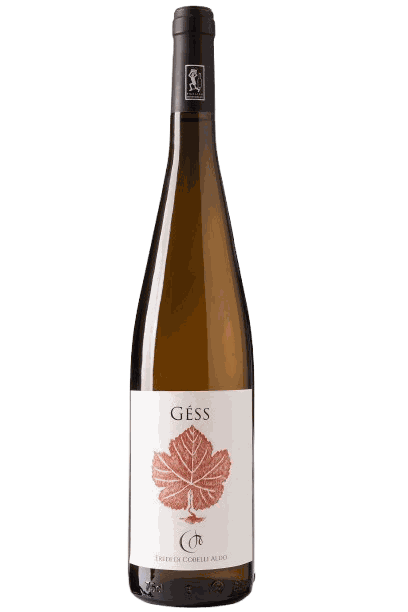
Trentino mountain wine becomes more useful to buyers when altitude is treated as data, not decoration. At Eredi di Cobelli Aldo in Sorni di Lavis, the evidence includes a narrow gypsum vein, Nosiola at 450 metres, Teroldego at 300 metres, and a traditional-method sparkling wine kept 50 months on its lees.[1] Winesal lists eight Cobelli wines, allowing a buyer to compare one family's white, red and sparkling decisions.[2]
The range begins underfoot
Cobelli describes its vineyards as lying on a narrow vein of gypsum combined with loam and clay. The estate identifies gypsum as an evaporite sedimentary rock and distinguishes this site from the more familiar generalisations applied to Trentino soils.[3] That does not authorise “gypsum minerality” as a tasting fact. It gives the buyer a verified geological feature to connect with site, wine and sample.
The producer also describes a subalpine temperate climate influenced by the Ora del Garda, with day and night temperature shifts used in harvest decisions. Its vineyard practices include organic fertilisation, grassing, inter-row work, reduced mowing and fewer tractor passes to limit compaction.[3] These are stated practices. They are not, by themselves, a third-party organic certification.
The Consorzio Vini del Trentino places Nosiola, Teroldego and Marzemino among the region's native grapes and says its members participate through the consortium in Italy's SQNPI integrated-production system.[4] Do not transfer that consortium-wide statement into a bottle-specific certification badge without checking the label and certificate.
This evidence creates a proper site briefing: Sorni, gypsum with loam and clay, named local grapes, and producer-declared vineyard management. The tasting can then decide what the site means sensorially.
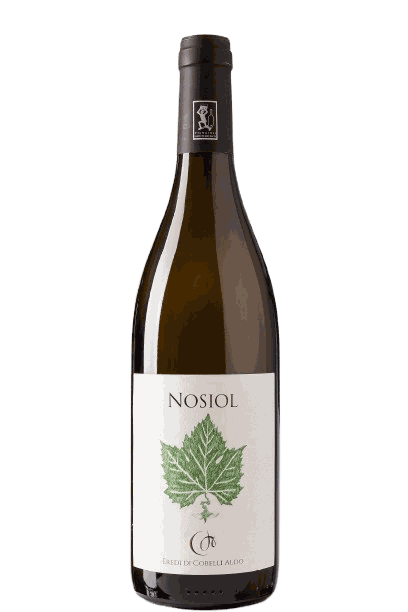
Nosiola: read the bottle before repeating scarcity
Nosiola is Trentino's native white reference. The regional consortium describes it as the only native white grape traditionally cultivated on the side hills of the Adige Valley and in the Valle dei Laghi, where it is also used for Vino Santo.[5] This geographical statement is safer than an unsupported global-hectare number.
Cobelli's Nosiol is a dry wine, not Vino Santo. Its producer page places the vineyard at 450 metres, states a yield of about 8,000 kilograms per hectare, and describes hand harvest, pneumatic pressing, fermentation and around eight months in stainless steel, followed by nine months in bottle before release.[6]
Those details establish a deliberate dry-white programme. For an importer, the key questions are:
- Is the offered bottle Vigneti delle Dolomiti IGT, as the current producer range page identifies it?
- Which vintage is being quoted?
- Is the stated eight-plus-nine-month sequence unchanged for that vintage?
- What closure and bottle format are supplied?
- Does the sample hold its shape on the second day?
Nosiol belongs in a tasting beside another restrained alpine white, not beside an aromatic wine simply because both are white. Assess citrus, orchard fruit, herbs, acidity, texture and finish without forcing a hazelnut descriptor from the grape's name.
For a restaurant, its commercial role can be a native-grape white with enough bottle development to sit beyond an anonymous aperitivo pour. The producer's nine months of bottle rest helps explain release timing, but the final placement must come from the sample and account price.[6]
Grill: Teroldego outside the usual shorthand
Teroldego is often associated first with Campo Rotaliano. Cobelli's Grill comes from Sorni and is identified by the producer as Teroldego Sorni Rosso. The vineyard is at 300 metres in an area where the grape has long been present; “Gril” is the place name and also recalls a former group of houses removed as gypsum extraction expanded.[7]
The technical sequence differs sharply from Nosiol. Cobelli reports hand harvest into small crates, destemming, gravity movement into the fermenter, 10 to 15 days of maceration, then maturation in barriques and 10-hectolitre casks. The wine remains in wood until the following harvest and then spends at least a year in bottle. The estate releases it three years after harvest.[7]
That is the centre of the buyer story. Grill is not merely “mountain red”. It is a named Sorni site, a documented maceration, a mixed-wood élevage and a delayed release. Taste specifically for whether the wood remains visible, how the tannin behaves with food, and whether the fruit supports three-year development.
Avoid two shortcuts. Do not call Teroldego “the Pinot Noir of Trentino” or another borrowed category. Do not imply that gypsum guarantees longevity. The producer attributes ageing capacity to the wine's body, structure and terroir, but an importer should still test multiple bottles and retain a vintage-specific note.[7]
One cellar, five core reference points
Cobelli's current official range page presents five principal wines:
Wine: Gèss
Grape or method: Gewürztraminer
Verified producer detail: Trentino DOC in the producer's range
Wine: Grill
Grape or method: Teroldego
Verified producer detail: Sorni Rosso, released three years after harvest
Wine: Arlevo
Grape or method: Chardonnay
Verified producer detail: Trentino Sorni Bianco
Wine: Nosiol
Grape or method: Nosiola
Verified producer detail: Dry IGT expression with steel and bottle rest
Wine: Aldo
Grape or method: Traditional method
Verified producer detail: 50 months on lees
The same page frames these as wines from the estate's own vineyards and identifies Aldo as a traditional-method sparkling wine with 50 months on the lees.[1] Winesal's catalogue includes three additional Cobelli entries, so current technical packs should reconcile the five-wine core presentation with the eight labels available through the platform.[2]
This is a useful purchasing task. It distinguishes the producer's present public architecture from the distributor's current assortment. Neither page should be assumed to prove stock, vintage or permanent range.
Gèss and Arlevo let the buyer compare aromatic and less aromatic white grapes on the same estate. Aldo tests sparkling competence. The additional Winesal entries, including other red and white styles, can be introduced only after the core site story is clear.
Fifty months creates a different clock
The phrase “traditional method” describes the second fermentation in bottle. The 50-month statement gives Aldo a measurable ageing period.[1] A buyer should request the tirage and disgorgement dates for the offered lot, because “50 months” without batch identity can become a floating claim.
Taste Aldo after Nosiol and before Grill. That order makes the change from still white to lees-aged sparkling visible before tannin enters the flight. Record bubble texture, autolytic character, dosage impression and freshness. The producer page identifies the method and lees period; the sample determines whether the wine fits reception, aperitivo, tasting-menu or specialist-retail use.
Do not compare it with Champagne by default. The trade can explain a traditional-method Trentino sparkling wine on its own terms: producer, origin, grapes from the current sheet, time on lees, dosage and disgorgement. Any price comparison must use current landed costs and equivalent channels.
If a restaurant already lists Trento DOC, verify Aldo's exact legal designation on the offered label rather than assuming it from regional origin or production method. Database accuracy begins with the bottle.
The family chronology has two time scales
The estate states that the Cobelli family has cultivated land at Sorni for more than 150 years. Its history page is careful about the boundary between written records and oral tradition around the family's arrival at Maso Panizza di Sopra.[8] That qualification should survive in trade copy.
The present wine project is associated with the heirs of Aldo Cobelli. The estate's official material describes family memory and the brothers' adult project without requiring a romantic invented quotation.[8] A current regional tourism profile names Devis, Tiziano and Ivano as the three people caring for the estate, but titles and responsibilities should be confirmed directly before a detailed team biography is published.
For a sales meeting, family continuity is supporting context. The operational proof sits in the individual wine pages: site, altitude, yield, harvest handling, vessel and release. Buyers can repeat those details safely because they are attached to named wines.
This distinction also protects the producer. “A family farming here for generations” and “this specific wine follows this documented process” are different claims. Both may matter, but they should not be blended into an uncheckable legend.
Build a Sorni tasting as a vertical landscape
Arrange the bottles by site and process:
- Nosiol, from the producer-stated 450-metre vineyard.
- Arlevo, to compare Chardonnay on the estate.
- Gèss, to test the aromatic register.
- Aldo, after its 50 months on lees.
- Grill, from the 300-metre Teroldego site and three-year release cycle.
Add the other Winesal-listed labels in a second round.[2] Use one large map with vineyard altitudes only where the producer supplies them. Leave blank fields blank rather than assigning an estate average to each wine.
The tasting sheet should capture legal designation, grape, site, altitude, farming certification, fermentation vessel, maturation and release. Sensory notes belong beside, not inside, the factual fields. That format lets a buyer see whether a perceived saline, floral or herbal quality repeats across wines without presenting it as a geological law.
Food trials should follow the actual account. Nosiol may be tested with lake fish, vegetables or fresh cheese; Grill with roast or braised dishes; Aldo with aperitivo service or a starter. These are hypotheses for the kitchen, not universal pairing claims.
What to request before committing
Ask for current technical sheets and bottle images for all eight Winesal entries. Confirm vintages, case packs, alcohol, closures, certifications, current availability and market status. For Aldo, record tirage, disgorgement and dosage. For Nosiol and Grill, verify that the processes shown on the producer site apply to the offered vintages.[6][7]
Request a soil or vineyard map only if the estate has one approved for trade use. Do not turn the gypsum vein into a medical, nutritional or guaranteed flavour claim. Its value is traceable difference.
Finally, decide how many roles the account really needs. A native white, a structured local red and a long-lees sparkling wine already describe three dimensions of Sorni. The other labels can deepen the range after those anchors are understood.
Request Winesal's current Cobelli catalogue and book a Sorni sample flight centred on Nosiol, Aldo and Grill, with current technical sheets beside every bottle.
Sources
- Eredi di Cobelli Aldo, official wine range, https://cobelli.it/en/wine. Checked 2026-07-27.
- Winesal, current trade catalogue entries for Eredi di Cobelli Aldo, https://winesal.com/catalog. Checked 2026-07-27.
- Eredi di Cobelli Aldo, official terroir and vineyard-practice page, https://cobelli.it/en/about/terroir. Checked 2026-07-27.
- Consorzio Vini del Trentino, official regional and SQNPI overview, https://vinideltrentino.com/. Checked 2026-07-27.
- Consorzio Vini del Trentino, official Nosiola profile, https://vinideltrentino.com/portfolio/nosiola/. Checked 2026-07-27.
- Eredi di Cobelli Aldo, official Nosiol production page, https://cobelli.it/en/wine/nosiol. Checked 2026-07-27.
- Eredi di Cobelli Aldo, official Grill production page, https://cobelli.it/en/wine/grill. Checked 2026-07-27.
- Eredi di Cobelli Aldo, official family history, https://cobelli.it/en/about/history. Checked 2026-07-27.