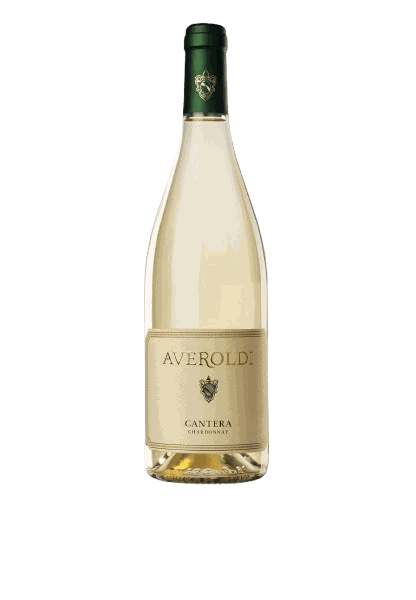
Valtènesi is a Lake Garda wine territory whose clearest trade proposition combines Chiaretto rosé with Groppello-led red wine. The local consortium presents Chiaretto and red as the two expressions of the denomination and identifies Groppello as the territory's defining grape.[1][2] Buyers should therefore resist treating Valtènesi as a single summer rosé. A two-colour listing can show the same place through immediate refreshment and a more structured table-wine role.
Read Valtènesi as a territory
Valtènesi lies on the Brescian, southwestern side of Lake Garda. The consortium connects its wines to the Garda landscape and to Groppello.[1][2] This is the geographical core staff need: west side of the lake, Lombardy, local red grape, rosé and red styles.
The territory sits inside a crowded Lake Garda wine conversation. Lugana, Bardolino, Garda and Riviera del Garda Classico may all appear in supplier books. A buyer should not blend them into one “lake wine” category. Each bottle's exact denomination, production zone and grape rules belong on the product sheet.
Valtènesi becomes easier to sell when the account starts with a map:
- mark the Brescian shore;
- locate the producer;
- identify Chiaretto and red as separate list roles;
- introduce Groppello as the connecting grape;
- add other Garda wines only after those anchors are clear.
The explanation takes less than a minute and prevents origin drift.
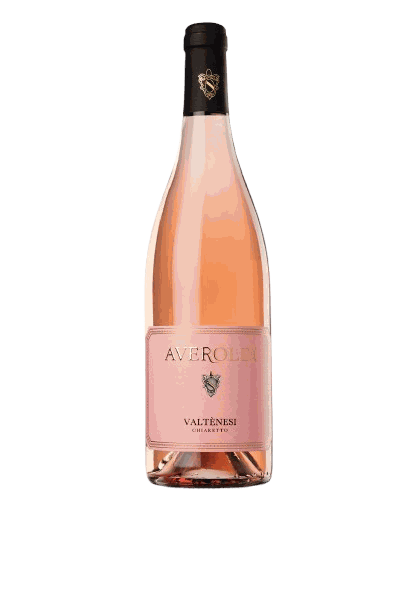
Groppello is the reason the range is not generic
The consortium calls Groppello the grape that identifies Valtènesi and provides dedicated information on it.[2] For the trade, that makes Groppello more important than a broad lifestyle story about the lake. Customers can find pale rosé from many origins. A local grape gives this rosé and its red counterpart a defensible identity.
Do not promise one fixed aroma profile. Taste the current wine and describe it accurately. Groppello's role in a blend, the producer's other permitted grapes, vineyard conditions and vinification can all change the result. Use the technical sheet for composition rather than repeating a generic percentage.
A staff note should answer four questions:
- How is Groppello pronounced?
- What proportion is present in this wine?
- Which other grapes are used?
- Is the bottle Chiaretto, red Valtènesi or another Garda designation?
That note is more useful than a paragraph of romantic prose.
Chiaretto needs a rosé-specific buying test
The consortium presents Valtènesi Chiaretto as a central expression of the denomination.[1] Its pale colour can give an immediate visual reference, but colour alone is not a quality measure and should not be used to imply kinship with Provence.
Taste Chiaretto for the job it must do. A by-the-glass wine needs stability after opening, refreshment at realistic service temperature and enough flavour to remain legible beside food. A bottle-list rosé may need greater texture or complexity. A retailer needs a label and explanation that work without a sommelier at the table.
The service trial should use three temperatures. Start cool, revisit after ten minutes, then taste with the likely dish. Record aromatic change, acidity, bitterness or phenolic grip, body and finish. Many rosés look convincing at refrigerator temperature but lose shape as they warm. Others reveal their value only with a little temperature and food.
Avoid calling Chiaretto “wine of one night” unless the producer or denomination documentation confirms the exact method and approved wording for the bottle. The phrase is culturally familiar, but it can conceal meaningful differences in skin contact and handling. Ask for hours of contact and pressing details from the technical sheet.
Red Valtènesi completes the category
A red listing makes the origin more than a seasonal campaign. It shows Groppello in a different vinification and gives the account a route into salumi, pasta, poultry or lighter meat pairings, depending on the sampled wine.
The red should not be sold merely as “the same grapes with more colour”. Request blend, maceration, vessel and ageing details. Compare it with the account's current light-to-medium Italian reds. The buyer is looking for a distinct place on the list, not an educational companion that nobody orders.
For a restaurant, Chiaretto and red can form a short regional pair. For retail, the pair can support a Garda tasting event. For distribution, the red may sell through specialist accounts while Chiaretto reaches a broader summer audience. Their sales cycles need not match.
This matters for forecasting. If the rosé turns quickly in spring and summer while the red moves through food-led accounts all year, ordering both in equal quantities may be a mistake. Portfolio coherence does not require identical volume.
Averoldi provides a twelve-wine lens
Averoldi's official site presents the estate and its wines from the Garda area.[3] The Winesal catalogue currently lists twelve labels: Cantera, Catrinae, Chiaretto, Graziolo, Grippo, Jacobus, Notorius, Octavius, Rovadus, Sedescoi, Canterius and Zeus.[4]
That breadth is an opportunity only if the buyer edits it. A first meeting should not attempt to remember twelve names. Organise the range by legal identity and service role.
The Valtènesi core
Identify the Chiaretto and red wines carrying the relevant designation from their current labels and technical sheets. Taste these first. They answer the article's main question and establish the Groppello connection.
The surrounding Garda set
Next identify whites, sparkling wines or reds under other Garda-area designations. These can extend the producer story into additional list sections. They should not be called Valtènesi if the label says otherwise.
The cellar or selection tier
Finally, identify wines intended as reserves, selections or parcel expressions, using the producer's documentation. Test whether their sensory difference is strong enough for a second listing in the same colour.
This ordering gives the producer room to show range without allowing label names to obscure category.
Parcel-by-parcel information needs proof
The planning brief associates Averoldi with parcel-based work. Before publication in a buyer deck, request a current producer source describing how parcels are harvested and vinified. If confirmed, the story can support a serious estate narrative. If not, the wines can still be presented through their verified designations and technical sheets.
This principle applies to history too. A cellar building, family timeline or claim of uninterrupted production may be attractive, but it should be linked to an official producer record. This article deliberately avoids an exact cellar date and any “oldest producer” comparison.
The trade loses nothing by being exact. “Averoldi offers twelve current Winesal catalogue labels across Valtènesi and the surrounding Garda context” is already useful and verifiable.[4]
Three account plans
Seafood restaurant
Lead with Chiaretto if its structure suits the menu, then add a Garda white under its correct designation. Keep the red for a second tasting unless the menu has a clear role. Train staff on Lake Garda, Groppello and the producer in three lines.
Italian enoteca
List Chiaretto and one red together. Offer a short comparative tasting that shows Groppello across colour and vinification. Add a higher-tier wine only when it creates an obvious progression.
Regional distributor
Segment the twelve wines by channel before discussing quantity. Broad accounts may receive a compact three-wine presentation. Sommelier-led accounts can see the deeper set. This protects the producer from appearing unfocused and reduces internal competition between similar bottles.
The buyer's document pack
For every selected wine, collect:
- front and back label images;
- denomination and vintage;
- grape composition;
- production and ageing method;
- alcohol, bottle volume and case pack;
- allergens and required compliance information;
- service guidance;
- producer-approved history;
- current availability and commercial terms, confirmed separately.
The document pack should distinguish permanent facts from vintage facts. The denomination and producer location may be stable. Blend, alcohol, release, analysis and stock can change.
Keep the story on the Brescian shore
Valtènesi does not need to imitate another rosé region to be legible. Its strongest account story is internal: a Lake Garda territory, Groppello, Chiaretto and red.
Averoldi's range gives a buyer enough depth to show that system, provided the selection begins with the denomination rather than with twelve brand names. The Chiaretto can open the conversation. The red proves the territory has a second register. Other Garda wines can then broaden the account.
The commercial decision still belongs to the current samples. Taste the rosé warm enough to reveal its structure. Give the red a proper food trial. Keep the label designations exact. If both wines earn separate jobs, Valtènesi becomes a year-round regional proposition rather than a seasonal colour.
Request the Winesal catalogue and an Averoldi sample set organised by Chiaretto, red Valtènesi and surrounding Garda styles.
Sources
- Consorzio Valtènesi, official wine styles, https://www.consorziovaltenesi.it/vini-3/ (Checked 2026-07-27).
- Consorzio Valtènesi, official Groppello resource, https://www.consorziovaltenesi.it/groppello/ (Checked 2026-07-27).
- Averoldi, official producer site, https://www.averoldifrancesco.it/ (Checked 2026-07-27).
- Winesal, current trade catalogue, https://winesal.com/catalog (Checked 2026-07-27).